
No one likes to be disrespected, and yet most of us have swallowed it at some point, smiling through a rude remark in a meeting or a cutting joke at the dinner table because speaking up felt like more trouble than it was worth. Saying “I don’t tolerate disrespect” does not mean picking a fight over every slight. It means we notice when being dismissed, belittled or lied to has become a pattern, and we answer it calmly and clearly instead of carrying it home with us.
That is what we mean when we say never tolerate disrespect. It is a boundary, not a temper!
Below we look at the signs of disrespect, what tolerating it slowly does to our minds, and what to actually say when someone crosses the line. It sits beside our other self-help guides, and if the hurt you feel is closer to silence than to rudeness, our piece on the adverse effects of being ignored may speak to you more directly.
Never Tolerate Disrespect: Signs of Disrespect
Recognizing the signs of disrespect is the first step to dealing with it well. Some of them are loud, but most of them are quiet, and the quiet ones are exactly the ones we talk ourselves out of.
○ Refusal to Listen

When people constantly refuse to listen to us, never valuing what we have to offer or even attempting to hear it in the first place, we are being disrespected.
It is easy to brush this aside by telling ourselves that maybe they just didn’t hear us, or that it was our fault for not speaking up louder. Well, once is a mistake, but when it happens week after week, the excuse is doing the work that their attention should be doing.
○ Showing Signs of Condescension
Condescension is speaking or behaving in a way that shows someone looks down on us, as if we are less intelligent, less knowledgeable or less cultured than they are. It belittles our presence and makes us feel tiny, and the person doing it rarely stops to consider that we might be capable of anything worthwhile.
The actions of condescension are often subtle and may even be unintentional, like the slow, over-patient explanation, the “good try”, or the joke at our expense that everyone else laughs at. However, recognizing them for what they are is what lets us keep our relationships healthy rather than quietly resentful.
○ Exclusion From Important Decisions
Disrespect also shows up as exclusion. When we are consistently left out of meetings, plans or decisions that affect us, and there is always a fresh excuse, it is a clear sign that someone does not value what we bring to the table.
A group chat that goes silent when we join, or a project plan that was “already decided” before anyone asked us, often says more than any rude word ever could.
○ Blatant Lies
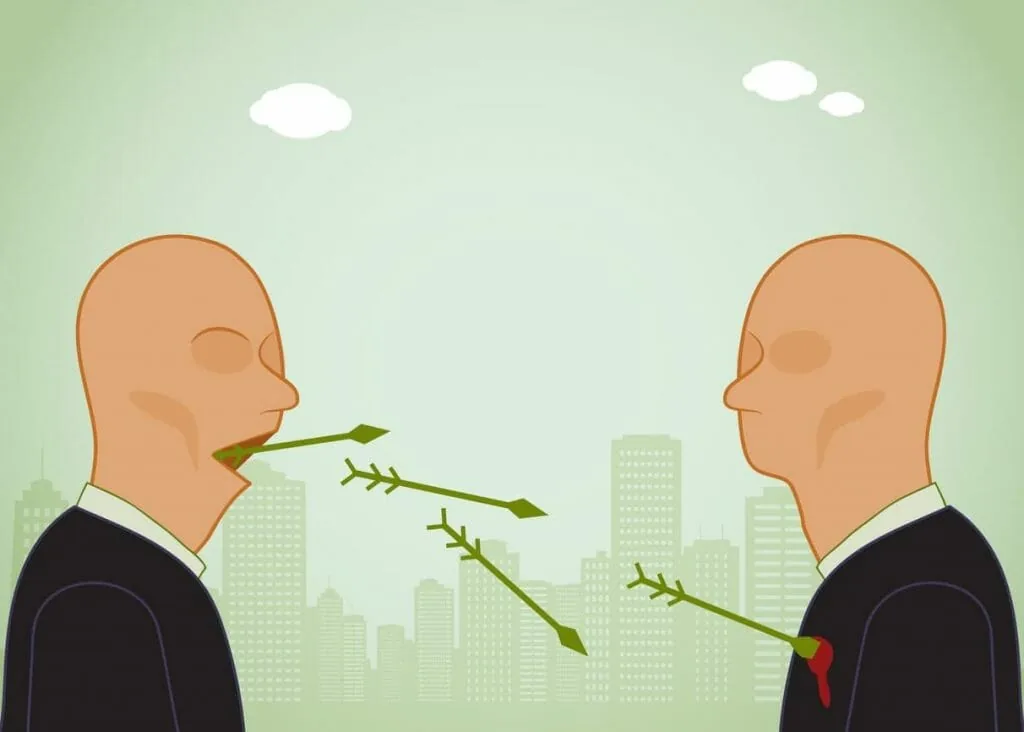
Lastly, another notable show of disrespect is the blatant lie. When people lie to us without a second thought about how it will land, they are telling us that our trust is not worth protecting.
Some people tell themselves that a lie spares our feelings. More often than not, the truth told kindly is the respectful choice, and a blatant lie mixes disrespect with disdain. That should not be tolerated.
○ When It Isn’t Disrespect
Before we draw a hard line, it helps to ask whether the line is really about respect. Loveisrespect, the US helpline for young people in relationships, points out that a partner talking to friends, liking someone’s photos or choosing what to wear gets called “disrespectful” more often than it should, and that the label is often rooted in jealousy, possessiveness or insecurity. Their test is a good one, as a healthy boundary protects you, while a demand that controls someone else is a red flag.
So a person who never tolerates disrespect still checks their own reading of a moment. Our guide to perception checking walks through how to ask, calmly, what someone meant before deciding they meant harm.
Adverse Effects of Disrespect on the Mind
A single rude moment rarely leaves a scar. It is the habit of putting up with it, again and again, that slowly changes how we see ourselves, and below are the effects we think matter most.
○ Destroys Self-Confidence

One of the worst effects of tolerating disrespect is what it does to our self-confidence. Think of it as a ‘slow leak’, where we let one remark pass, then another, and each time we tell ourselves it was harmless, a little more air goes out.
Mayo Clinic describes the same pattern in its guide to assertiveness. When we stay passive to keep the peace, we send the message that our thoughts and feelings matter less than other people’s, and the inner conflict that follows can lead to stress, resentment, anger and doubting our own judgment.
That last one is the quiet damage, because once we convince ourselves the remark was not intended, we start to trust our own judgment a little less each time.
This is why, to protect our self-esteem, it helps to respond early rather than letting things pile up. Early does not mean instantly or angrily; it means the first or second time, while the stakes are small and our voice is still steady.
There will always be people who look down on us or try to take advantage of us. The more often we answer small moments calmly, the sooner we start to spot the pattern before it settles in.
○ Breeds Insecurity

Secondly, tolerating disrespect breeds a deep sense of insecurity, which usually follows once our self-confidence has taken a few hits.
Take a simple example. We share an idea in a meeting or a class discussion, and instead of being discussed, or even politely set aside, it is waved off with a smirk. The next time ideas are called for, we hesitate, and before we know it, we have decided we are simply not someone with good ideas!
Insecurity grows when we feel unsure about some part of ourselves and start defending it harder than it needs. The most direct way to deal with insecurity that comes from disrespect is to deal with the disrespect itself.
Everyone is flawed, but no one deserves to be disrespected because of their flaws. That said, not every remark needs a reply, and a stranger’s rudeness on the bus can simply be let go of.
A pattern from a friend, a partner or a manager is different, and that is the one worth naming. Choosing our battles is not tolerating disrespect; it is refusing to let every rude person set our agenda.
○ Removes Much-Needed Risk-Taking Abilities
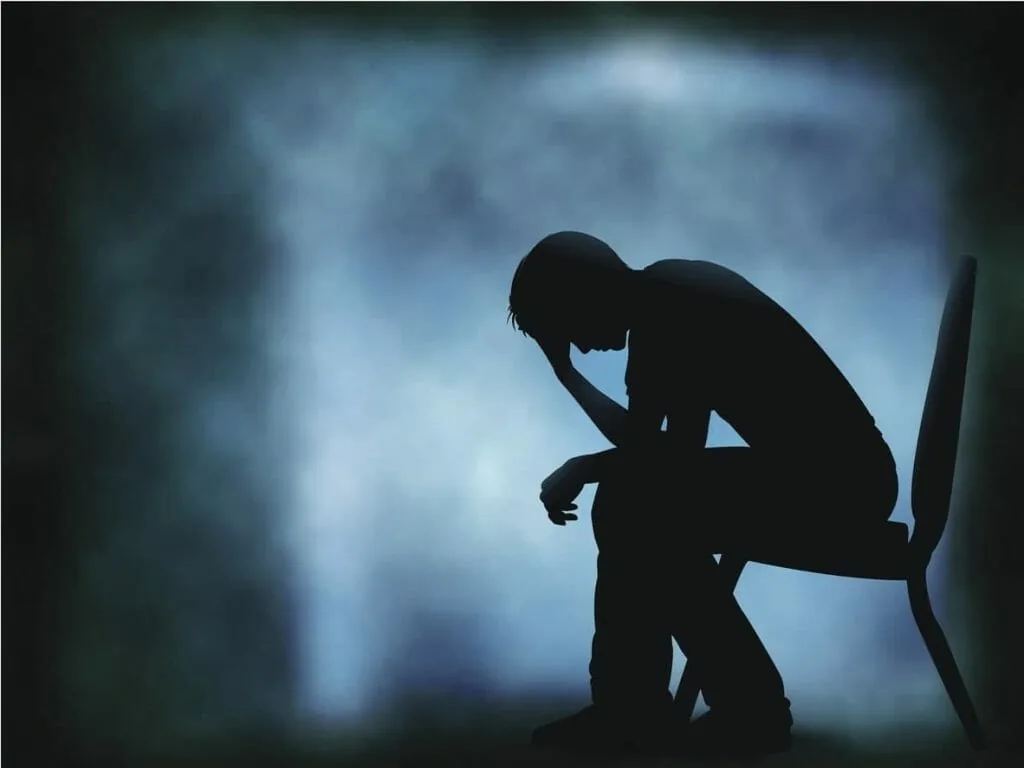
We all need to take risks in life. Things rarely go as planned, and we often find ourselves at a crossroads where a tough decision has to be made with no guarantee of how it will turn out.
In moments like these, we need enough faith in ourselves to make the call. When doubt has already set in, every option looks dangerous, and we either freeze or quietly let someone else decide for us.
The impact of disrespect on risk-taking comes directly from the two effects above. A person who has been talked down to for long enough stops trusting their instincts, and a person who does not trust their instincts plays it safe.
Nobody needs to be fearless to take a risk. However, we do need to believe our judgment is worth acting on, and that belief is exactly what tolerated disrespect wears away.
○ Disrespect Leads to More Disrespect
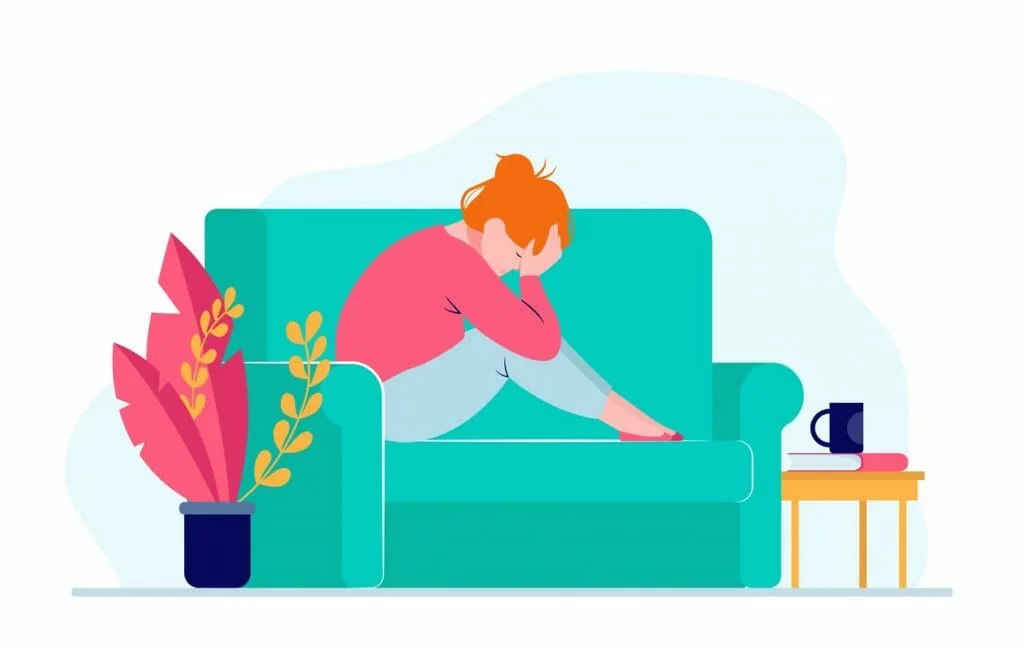
Disrespect has a way of feeding itself. Less confidence leads to more insecurity, insecurity leads to fewer risks, and fewer risks leave us with fewer wins, which makes it easier for others to look past us.
It also spreads beyond us. In studies published in the Journal of Applied Psychology, researchers Trevor Foulk, Andrew Woolum and Amir Erez found that rudeness can be contagious even after a single episode, that anybody can pass it on, and that it goes on to affect the next people the “infected” person deals with.
Foulk, Woolum and Erez compared it to catching a common cold, which is a surprisingly useful way to picture it.
So the cycle is real, but it is not a life sentence. The best way to break it is to stop feeding it, which means meeting disrespect with calm self-respect rather than swallowing it or throwing it back.
It goes both ways, of course. Disrespect can wear down self-confidence, but quiet, steady self-confidence is also the strongest answer to disrespect.
How to Stop Tolerating Disrespect

Knowing that we should not tolerate disrespect is the easy part. Doing something about it in the moment, with our heart racing and everyone watching, is where most of us get stuck.
○ Why Do We Tolerate It?
Most of us learned to keep the peace long before we learned to speak up. If speaking up at home led to trouble, staying quiet became the safe habit, and habits do not ask permission before they show up at work, at college or in a relationship.
That is also why so many people only see the disrespect after the job or the friendship is over. In the moment, the urge to keep things smooth wins, and the hurt only gets room to speak once the danger has passed.
If that sounds familiar, a few honest questions from our shadow work prompts can help trace where the habit began.
One simple check also helps in real time. If this exact thing happened to our best friend, would we tell them to just accept it? If the answer is no, the discomfort we are feeling is information, not oversensitivity.
○ What to Say in the Moment
We do not need a perfect comeback, only one calm sentence we have practiced beforehand. Mayo Clinic suggests “I” statements, such as saying “I disagree” rather than “You’re wrong”, along with rehearsing what we want to say out loud and keeping our voice even and firm. The guide also reminds us that “no” is a complete sentence and needs no long explanation.
Lines such as “please don’t talk to me like that”, “I’d like to finish my point” or “that joke didn’t land well with me” work in most places, at a family dinner as much as in an office. Say it once, plainly, and then stop talking, because the silence after a calm sentence does a lot of the work.
If we feel ourselves wanting to hit back, taking a little time before responding is a smart move. The ACHIEVE Centre, which trains people in workplace conflict, advises stepping away until the urge to retaliate settles, since answering rudeness with rudeness only keeps the cycle going.
○ When to Walk Away
Some people do not change, however calmly we speak. When the disrespect is a steady pattern, when it comes with put-downs about who we are, or when our boundaries are ignored after we have stated them clearly, limiting contact or walking away is not weakness.
It is the boundary doing its job. It can feel lonely for a while, and that is normal, as the space we clear usually gets filled by people who treat us well.
If disrespect from a partner has turned into control, threats or fear, please reach out to someone. In the US, Loveisrespect can be reached by calling 866-331-9474 or by texting LOVEIS to 22522.
In the UK, the NHS lists the free National Domestic Abuse Helpline on 0808 2000 247, open day and night, and the Men’s Advice Line on 0808 8010 327 on weekdays from 10am to 8pm, and it says to call 999 in an emergency. Anywhere else, your local emergency number is the right first call if you are in danger.
Conclusion
It is convenient to brush disrespect aside the moment it happens, telling ourselves that they did not mean it or that it was harmless. However, the brushing aside is exactly what lets it grow.
The answer is not to become harsh or suspicious of everyone. It is to stay calm, say what we need once and clearly, and keep company with people who make that easy, because self-respect is much easier to hold on to in the right company.
Respect is not something we win from others; it is something we refuse to give up.
FAQ
What does “I don’t tolerate disrespect” mean?
It means you notice when being dismissed, belittled or lied to has become a pattern, and you respond to it calmly and clearly instead of letting it pass. It does not mean reacting angrily to every rude moment. Think of it as a boundary you keep, not a fight you look for.
What do you call someone who doesn’t tolerate disrespect?
There is no single word for it. People usually say someone is self-respecting, has firm boundaries, or is assertive, which means they stand up for themselves while still respecting the other person. A person who hits back at every slight is closer to aggressive, which is a different thing.
What does the Bible say about not tolerating disrespect?
The Bible does not use the phrase, but many Christians point to Matthew 18:15, which in the New International Version on Bible Gateway says: “If your brother or sister sins, go and point out their fault, just between the two of you.” Read that way, the advice is to raise a wrong directly and privately, with the aim of winning the person back, rather than staying silent or shaming them in public.
Is disrespect subjective?
Partly. Lying, mocking and constant put-downs are disrespectful almost anywhere, but smaller things like a late reply or a blunt tone can mean very different things to different people and cultures. Before drawing a line, it helps to ask the person what they meant. If the answer still shows they do not value you, trust that.
Is it okay to cut people off for disrespecting you?
Yes, when it is a pattern and you have already told them clearly what you will not accept. Limiting contact is a healthy choice when someone keeps ignoring your boundaries. It can feel lonely for a while, so lean on the people who do treat you well, and give new friendships time to grow.