
We finish a sentence in a group, and the conversation simply rolls on as though nobody heard a word of it. When that keeps happening, asking “why do people ignore me” stops being a passing thought and starts to sting. The honest answer is usually less personal than it feels: people are busy, distracted, did not hear us or do not know us well yet, sometimes something in how we come across makes us easy to overlook, and only occasionally is someone giving us the silent treatment deliberately.
That is good news, in a way, because most of these reasons are things we can check and work on, and the rest are things we can walk away from, which is exactly the kind of practical self-improvement our self-help guides are built around.
Why Do People Ignore Me? The Most Common Reasons

Before we read the signs, it helps to understand the usual causes, because each one asks for a different response. Here they are, roughly from the most common to the rarest.
They are busy or distracted. A friend scrolling her phone while we talk, or a classmate who replies to our message hours later, is far more often lost in her own day than making a point about us.
They did not hear us, or did not notice we had started. A soft voice, a story begun whilst we look at the floor, or a joke dropped in at the wrong moment can vanish in a noisy group without anyone choosing to ignore it.
We seem closed off. Quiet people often wait for others to reach out first, while everyone else reads the quiet as ‘please leave me alone’ and politely does exactly that.
Our energy or topic does not match the room. Talking far more or far less than everyone else, steering every conversation back to our favorite subject, or bringing heavy news into a light evening can make people drift away without a word.
One person on Reddit’s social skills forum described telling a very short story and finishing it to a circle of people looking at their phones. The reply that helped most was a practical one, to lead with the punchline and let people ask for the rest if they want it.
There has been a misunderstanding or a hurt. A cancelled plan with no explanation, a careless comment or a text that read colder than we intended can leave someone quietly keeping their distance.
We simply do not know each other well yet. In a new class, office or friend circle, people stick with the ones they already feel comfortable around, and that says more about time than about us.
The setting works against us. Group chats and online servers move quickly, and a woman on the same forum noticed that her Discord friends, who rarely answered her messages, all lived in different time zones, and that she never joined their voice calls.
They are doing it on purpose. This is the rarest reason and the most painful one. Psychologists call being ignored and left out deliberately ostracism, and the everyday name for it is ‘the silent treatment’.
The Association for Psychological Science reports that the Purdue psychologist Kipling Williams calls it a “non-behavior”, an invisible form of abuse that is easy to deny precisely because nothing seems to happen. Williams describes three stages: an instant hurt, then a ‘coping’ stage where we try hard to win our place back, and finally, if it continues long enough, resignation.
Why does it hurt so much? Well, in the research the Association for Psychological Science describes, people felt the sting of exclusion even when a cartoon figure left them out of a computer game of catch.
That is why being shut out again and again feels so much bigger than it looks from the outside, and why being hurt by it is not a weakness.
When someone uses silence repeatedly to punish or control us, in a family, a friendship or a relationship, it is not a communication problem we have to fix alone; it is a pattern worth talking through with someone we trust.
○ Are You Really Being Ignored?

Well, sometimes the honest answer is no, or at least not as much as it feels. In a set of studies published in Psychological Science, Erica Boothby and her colleagues found that after a conversation, people kept underestimating how much the other person had liked them and enjoyed their company, an error they named the ‘liking gap’.
The part of Erica Boothby’s work that matters most for us is why it happens. The warm signals were there all along, but people were too preoccupied with their own thoughts about how they had come across to notice them. The shyer the person, the wider that gap grew.
So before we decide a whole group has written us off, it is worth one fair test. Does it happen with everyone, everywhere, or only with one group or one person, and are others in that group talked over now and then too? It also helps to ask one honest friend how we come across in groups, since adults rarely volunteer that kind of feedback on their own.
Our guide to perception checking gives a simple way to test our reading of someone before we act on it, and the liking gap also comes up in our piece on manifesting new friends.
Sometimes the feeling of being shut out is anxiety talking. The NHS describes social anxiety as more than shyness, a fear that does not go away and affects everyday activities, confidence, relationships and work or school life. The NHS lists fearing criticism and avoiding eye contact among its signs, and says it usually starts in the teenage years.
10 Signs on Why People Ignore You and How to Get Around It
Once we know the likely cause, the signs below are easier to interpret. One rule runs through all ten: a single incident means very little, while the same thing happening again and again with the same people is worth acting on.
1. They Pretend You’re Not in the Room
In a group, the conversation flows everywhere except towards us, and whenever we chime in, it dies.
A quieter version is being allowed into the conversation but never really acknowledged, where our points are heard and dropped in the same breath.
○ Make Your Presence Felt without Overdoing it
The answer is to make your presence felt, gently. Greet people first instead of waiting to be greeted, look at the group when you start speaking rather than at the floor, and ask a follow-up question about what someone else just said, since people naturally turn towards whoever shows interest in them.
Some of us simply do not have a loud, room-filling personality, and that is fine, because no one deserves to be treated as invisible for being quiet. However, overdoing it backfires, because talking over people or forcing a story in at the wrong moment gives them an excuse to tune out even further.
2. They Exclude You Altogether
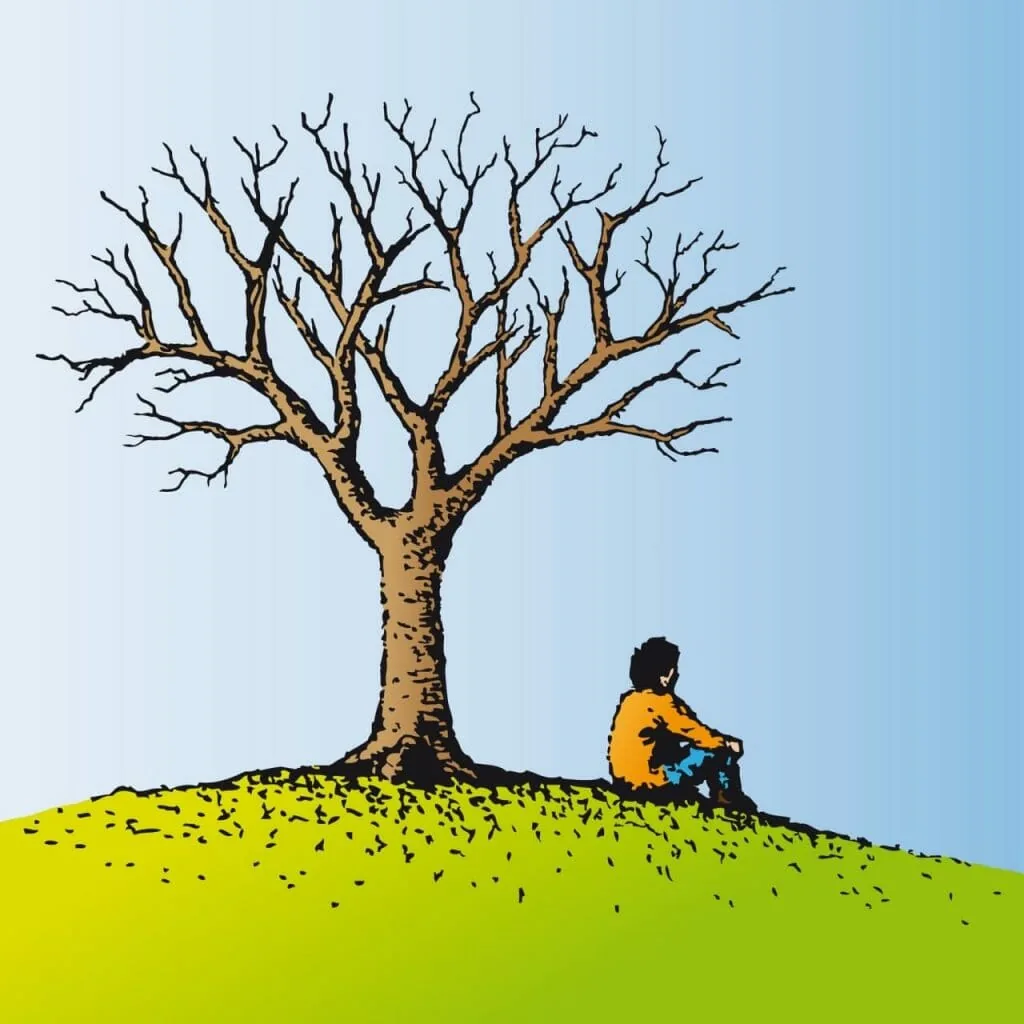
A less subtle sign is being left out of plans, outings or decisions again and again. The “again and again” matters, because not every missed invitation is a snub; sometimes the guest list was small, or someone simply forgot.
However, when the group chat stays silent and the photographs of the outing appear online the next day, every single time, something needs to change.
○ Build Skills That Make You Hard to Leave Out
At work or college, being genuinely useful helps. The person who understands the spreadsheet, can fix the presentation or always has the notes tends to get invited into the room.
Socially, the quickest fix is often to stop waiting for the invitation and send one. Suggest the film, the study session or the chai after class yourself, and if you keep missing something you care about, tell one person in that group plainly: “I’d love to come next time, could you add me?”
3. They Pretend to Listen but Never Act on Your Ideas
Another subtle sign is when people nod along, even call our idea brilliant, and then never act on it. It hurts in a particular way, because the reassurance turns out to be empty.
Once is probably a short attention span or a busy week. When it happens every time, though, it is fair to conclude that our ideas are not being taken seriously in that room.
○ Find a Way to Develop an Idea on Your Own
Put the idea in writing after the conversation, in a short email or message, so there is a record that it was yours and a clear next step attached to it. If it still goes nowhere, develop it yourself, as a side project, a club activity or a proposal you take to someone else.
Do it because the idea deserves a chance, not to make anyone regret anything. Building our life around proving people wrong keeps them at the center of it, and that is the opposite of what we want!
4. They Refuse to Listen to What you Have to Say

Sometimes the refusal is open (“I don’t want to hear it”), and sometimes it is disguised as a joke or a quick change of subject. Either way, it leaves a nagging feeling that we had something worth saying and nobody let us say it.
○ Talk less, Listen more
Oddly enough, one way to be heard is to say less. People who talk far more than everyone else are often tuned out, so keep your points short, let others finish, and show you are listening with a nod or a real question; most people return the courtesy once they feel heard.
The opposite matters too. If we barely speak, people may assume we do not want to talk, so listening more is not the same as disappearing; it means choosing our moments, and then speaking clearly when they come.
5. They Force You to Repeat the Same Point Over and Over
Having to say the same thing again and again is another sign. Sometimes the other person is distracted or genuinely did not follow, but when it happens over and over with the same person, it can be a way of wearing us down until we stop talking, and such disrespect should never be tolerated.
○ Be Concise and Go Straight to the Point
It is easy to pretend not to hear a long, winding explanation, and much harder to ignore two short points. So before speaking, cut what you want to say down to its headline, lead with it, and if it matters, follow up in writing.
If we are clear and brief and people still brush us off every time, it is time to move on in life and find better company.
6. They Only Tell You Things When It is Decided

Many of us know this one. Someone asks what we think about a decision, we offer a suggestion, and it is waved away, because the decision was made before we were ever asked.
This is known as a fait accompli, a done deal presented as a discussion. When it keeps happening, it is a clear sign of being sidelined.
○ Never be Afraid to Let People Know What You Can Do
Often we are told after the fact because people assume we will go along with whatever is decided, or because they do not know what we could contribute. So say what you know and what you can do early, before the decision, rather than complaining afterwards.
We mustn’t get angry or selfish in our reactions either. Instead, we can serve others and make real contributions to their lives, so people learn that asking us first leads to better decisions.
7. They Never Remember Your Contributions
Some people do ask for our input, seem to appreciate it, and then forget it entirely, or remember it later as someone else’s idea, which is different from deliberately ignoring us.
Often they never meant to forget, but it still leaves us invisible.
○ Always Let them Know the Roles You Play
Carve out a clear role among friends, family or at work, so that you become the natural go-to person for one thing, whether it is planning trips, fixing laptops or remembering birthdays. After a meeting or a group project, a short note that summarizes what you added keeps your part on the record without sounding like a boast.
8. Their Body Language is Always Rigid Against You
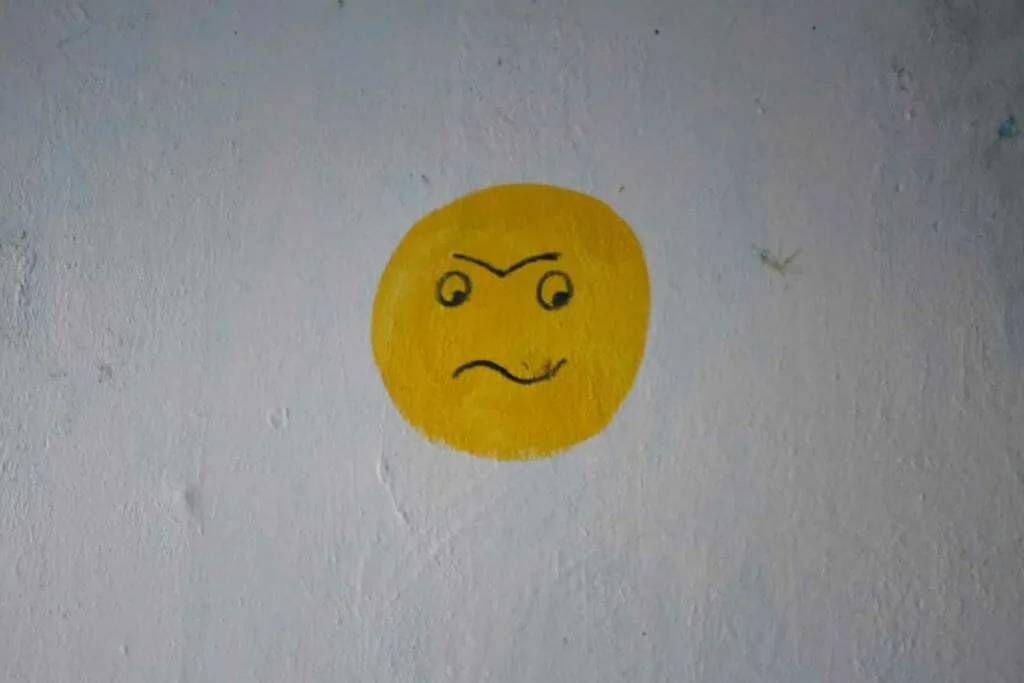
Body language can tell us a lot, but we have to be careful, because we tend to see exactly what we fear seeing. Still, when people keep turning away from us, never meet our eyes and always find something else to do when we walk up, it is fair to read it as being ignored.
○ Be Free, Build Self Confidence and Learn to Make Eye Contact
Eye contact matters more than it seems. The Association for Psychological Science describes a Purdue University study in which strangers who got eye contact from a passer-by on campus felt less disconnected afterwards than people who were looked straight through. If a glance from a stranger counts for that much, a glance from us counts too, and offering it first is one of the simplest ways to make others feel included.
So take the lead. Make eye contact first, smile, and if someone drifts away, drift towards them rather than away; all of this takes some self-confidence, which is worth building first.
9. They Always Tell You the Time Isn’t Right
“Not now” can be perfectly honest, as people really are busy. However, when every attempt to talk or share an idea meets “later” and later never comes, it is often a polite way of avoiding the conversation.
○ Learn to Pick Optimal Times to Initiate Contact
Ask directly, “When would be a good time to talk about this?” That turns a vague “not now” into a real appointment, and if the person agrees and still never makes time, we have our answer.
It also helps to pick calmer moments, rather than catching someone as they rush out the door.
10. They Tend to Stray From You in a Group Setting
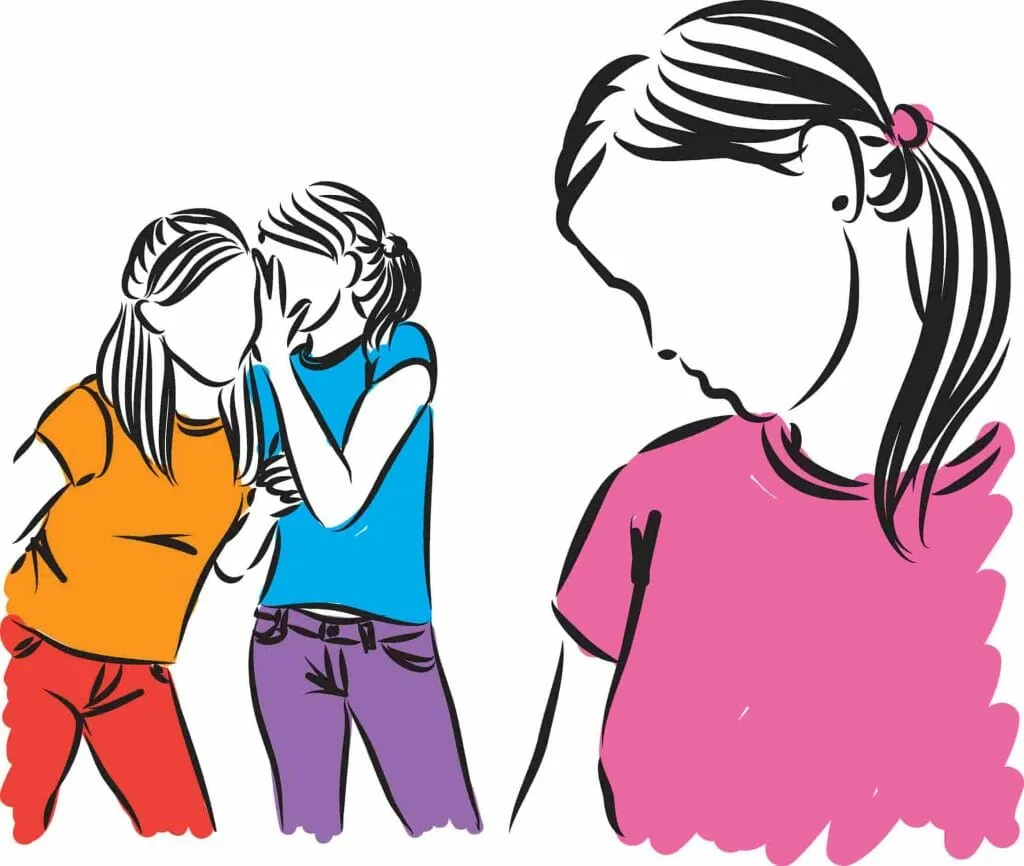
Being ignored in a group often hurts more than being ignored one-on-one, because everyone can see it. The sign is that people, or one person in particular, keep drifting away whenever we join, and it happens time after time.
○ Confront them about it in a gentle manner
Pick one person and talk in private, keeping it about how you feel rather than what they did wrong: “I’ve felt a bit left out lately, have I done something to upset you?” That gives them room to explain a misunderstanding, or to apologize, without feeling attacked.
If things get resolved, wonderful. If they do not, it may be time to let that friendship fade and give our energy to people who are genuinely glad to see us, and both outcomes beat being ignored indefinitely.
Conclusion
People ignore us for many reasons, and most of them have more to do with busy lives, shy habits and small misunderstandings than with what we are worth. Some of those we can change, by reaching out first, speaking up a little and checking our interpretation of a situation before we believe the worst of it.
The rest belongs to other people. When someone keeps choosing silence over honesty, the kindest thing we can do for ourselves is to stop knocking on that door, and go and knock on a friendlier one!
Being overlooked for a long stretch can still wear us down, though. The mental health charity Mind points out that we can have plenty of contact with people and still feel lonely, especially when we do not feel understood or cared for by them. If the feeling of being watched and judged follows us everywhere, the NHS suggests seeing a GP, because social anxiety is common and there are treatments that help.
And if being shut out has left you feeling that nobody would notice if you were gone, please do not sit alone with that thought tonight. In the US, a counselor at the 988 Lifeline will answer a call, text or chat at any hour, free and in confidence.
Samaritans in the UK can be reached free on 116 123 from any phone, at any time, and in India, Tele MANAS counselors are toll free on 14416. Anywhere else, your local emergency number will connect you to help.
Frequently Asked Questions About Being Ignored
What should you do when people ignore you?
First check whether it is really happening: does it happen with everyone or only with one group, and are others in that group treated the same way? Then try one small change, such as greeting people first, making eye contact as you start to speak or keeping your points short. If one person keeps ignoring you, ask them privately and calmly whether something is wrong, and if nothing changes, give your time to people who respond.
What is it called when people purposely ignore you?
Psychologists call it ostracism, and in everyday life it is known as the silent treatment. Going quiet once in a while to cool off after an argument is common. Using silence again and again to punish or control someone is a harmful pattern, and it is worth talking it through with someone you trust.
Why do people suddenly start ignoring you?
A sudden change usually has a trigger: a misunderstanding, a comment that hurt, a cancelled plan, a hard time in their own life or a new group they are spending time with. The simplest way to find out is to ask kindly and in private, for example, “You’ve seemed distant lately, did I upset you?”
Do people ignore you if they like you?
Sometimes, yes. Shy people may avoid someone they like because they feel nervous around them, and some people go quiet when they have a crush. However, research on the liking gap suggests the more common mistake runs the other way: we often believe people like us less than they really do.
How do you make someone regret ignoring you?
We would gently suggest not making that the goal. Building your life to prove a point keeps the other person at the center of it. Build it for yourself instead, with people who answer your messages, and any regret on their side will take care of itself.
Why does everyone ignore me in group chats?
Group chats move fast, people read them in snatches between other things, and members may live in different time zones, so messages get buried without anyone meaning to ignore them. Ask a specific question or mention one person by name, join a call or meet up now and then, and talk one to one with the members you get on with best.