
Ascension symptoms are the changes that New Age and lightworker circles link to “the Shift”, a move from 3D to 5D consciousness. You might notice vivid dreams, runs of synchronicities, a pull toward quiet and nature, or waves of feeling that come from nowhere. Those inner changes are worth your attention, and meditation researchers have heard many of the same stories.
But most lists of 5D ascension symptoms also include a racing heart, chest pain, fainting and months without sleep. Those go to a doctor before they go to any spiritual meaning, and our page on when a body sign needs a doctor lists the ones that cannot wait.
Maybe you have already seen a doctor and your tests came back normal. That does not make what you feel imaginary. The NHS says symptoms that doctors cannot explain are not faked or “all in the head”, and you can ask for a second opinion if you think something was missed.
Quick pick
What Are You Feeling?
Find the line closest to yours, then jump to the full answer.
- Racing heart, chest pain or fainting? Not a spiritual sign. Get medical help first
- Buzzing or heat up your spine? Many call it kundalini, and meditators describe it too
- Achy, sick and foggy for days? Believers call it ascension flu, but treat it as an illness first
- Pressure in your sinuses or forehead? Some feel a third eye opening, and sinusitis is the plainer cause
- Feel like you are going crazy? You are not alone, and psychiatry even has a name for spiritual distress
- Not sure you are ascending at all? Look at the inner changes, after the body is checked
Keep reading below Where the idea of ascension comes from The full symptoms list Solar flares and the Schumann resonance How long it lasts Questions

Ascension belongs to a bigger family of beliefs about the body as a messenger, and you can read about the whole family in what body signs mean spiritually. For signs that seem to come from outside you, like feathers and numbers, see the signs the universe is said to send. You will find more pages like this one in our spiritual section.
What Is Ascension, or the Shift?

Many lightworkers believe we are living through a turning point they call the Shift. In their view, the Earth’s vibration is rising, and life here is moving from 3D, the solid physical world, into 5D, a level of awakened consciousness. (In most versions, the fourth dimension is time.)

As the Earth rises, believers say, so do you. Your body and soul start to tune to that 5D energy, and your awakening begins. The changes you notice along the way are your ascension symptoms, or the symptoms of the Shift.
This is a spiritual belief, not something physics or medicine has measured. You can keep it and still look after your body the ordinary way.
○ What Triggers Ascension?
Believers say the Shift is happening to everyone, but in the stories people share on Reddit and in awakening groups, something personal usually sets it off:
- a breakup, a death or another big loss
- a meditation retreat, reiki or a new daily practice
- a long stretch of stress, like exams, a new job or caring for someone who is ill
- a date that feels charged, like a full moon or a solar flare in the news
Most of those already throw off your sleep, your food and your feelings, so your body has plenty to say (more on that below).
Where the Idea of Ascension Comes From

The word is far older than the symptoms. In Christian scripture, the Ascension is when Jesus rose into heaven. Acts chapter 1, verse 9 says he “was taken up before their very eyes, and a cloud hid him from their sight” (the NIV wording on Bible Gateway). Nothing in it is about symptoms in anyone else.
The idea that ordinary people can ascend too came in the 1930s. Britannica says the I AM movement was started in Chicago by Guy and Edna Ballard, and its followers aim for “eventual ascension into divine realms”. Guy Ballard said that in 1930, on Mount Shasta, he was contacted by Saint Germain, one of the Ascended Masters.
The whole planet ascending to a “New Earth” came later, from New Age writers such as Dolores Cannon. Her publisher, Red Wheel/Weiser, says her book Three Waves of Volunteers and the New Earth tells of souls who came to help Earth “in her ascension”.
The idea of energy rising up your spine is much older. A 2021 paper in the journal Religions says kundalini, the snake energy said to lie coiled at the base of the spine, goes back to Indian yoga and tantra texts from around the 9th century CE. Awakening posts borrow it and put it inside a new idea.
You will also see “the dark night of the soul” on many lists. Britannica says the original is a poem by the 16th-century Spanish mystic Saint John of the Cross, about the soul letting go of the world on its way to union with Christ. Awakening posts now use it for any hard time.
Ascension Symptoms List
Most lists sort the changes into four groups: physical, mental and emotional, spiritual and energetic. We kept those groups, and next to each physical sign you will find what it more often is and when it needs a doctor.
○ Physical Ascension Symptoms

Each everyday cause and doctor line below comes from the NHS page for that symptom.
- Hot flashes and night sweats. Many lists put sudden waves of heat or cold first. If you sweat at night, it is often from anxiety, low blood sugar or alcohol. See a doctor if night sweats wake you often, if you also have a high temperature, a cough or diarrhea, or if you are losing weight and do not know why.
- Tiredness and sleep changes. Common causes include short sleep, stress and depression. If you have no energy, you can feel your heartbeat, you get out of breath and your skin is pale, it can be iron deficiency anemia. See a doctor if you have been tired for a few weeks and you do not know why.
- Racing or skipped heartbeats. Palpitations are common and usually not serious. Lack of sleep, stress, caffeine and alcohol can all set them off. If they keep coming back, or last longer than a few minutes, see a doctor.
- Dizziness. It is common to feel dizzy or off-balance now and then. See a doctor if it keeps coming back, or if you also have ringing ears, changes in your eyesight, numbness, fainting or headaches.
- Ringing ears. If your ears ring all the time, or the ringing is getting worse, see a doctor. If it keeps time with your heartbeat, ask for an urgent appointment. For what people believe about it, see ear ringing and its spiritual meaning.
Your stomach and weight show up on many lists too. The NHS says stress alone can cause stomach problems and eating too much or too little. But if you keep losing weight without changing what you eat or how much you move, the NHS says to see a doctor just in case.
Some readers ask if ascension can raise blood pressure. The NHS says high blood pressure does not usually cause any symptoms, and the only way to know is to have it checked. A pharmacy or a doctor can measure it in minutes.
○ Ascension Symptoms and Sinus Pressure
Some believers feel pressure in the forehead or between the eyebrows during an awakening. They call it their third eye opening, and that reading is yours to keep if it helps you.
Real sinus pressure has a plainer cause, though. The NHS says sinusitis is a swelling of the sinuses, usually from an infection, and it is common after a cold or flu. You may feel pain around your cheeks, eyes or forehead, a blocked or runny nose and sometimes a high temperature.
It usually clears up on its own within 4 weeks, the NHS says. See a doctor if it has not improved after 3 weeks of looking after it yourself, or if you keep getting it.
○ Mental and Emotional Ascension Symptoms

These are the inner changes people describe most, with the NHS facts beside them.
- Forgetfulness and a foggy head. Stress alone can make you forget things and make it hard to think. If it gets in the way of school, work or friends, see a doctor.
- Feeling confused or lost. Forgetting where you are is not a spiritual step. If you feel confused all of a sudden, it can be a sign of a stroke, which can happen at any age, so treat it as an emergency.
- Anxiety. Feeling scared when your life is changing fast is very human. If your worry gets in the way of your day and you cannot control it, that is the main sign of generalized anxiety, and it can also make it hard to sleep, make you tired and make you notice your heartbeat.
- Mood swings, sadness and loneliness. Letting go of old friends, habits or beliefs can hurt, even when you chose the change. A low mood often lifts after a few days or weeks, but if it lasts 2 weeks or more, it could be a sign of depression.
- Changes in who you are. This is the part that rings truest for many people. You might stop relating to the person you used to be, or find yourself drawn to nature, meditation or prayer. None of that needs fixing.
For the in-between days, our guide on finding strength when life gets hard has gentler ideas.
○ Spiritual Ascension Symptoms
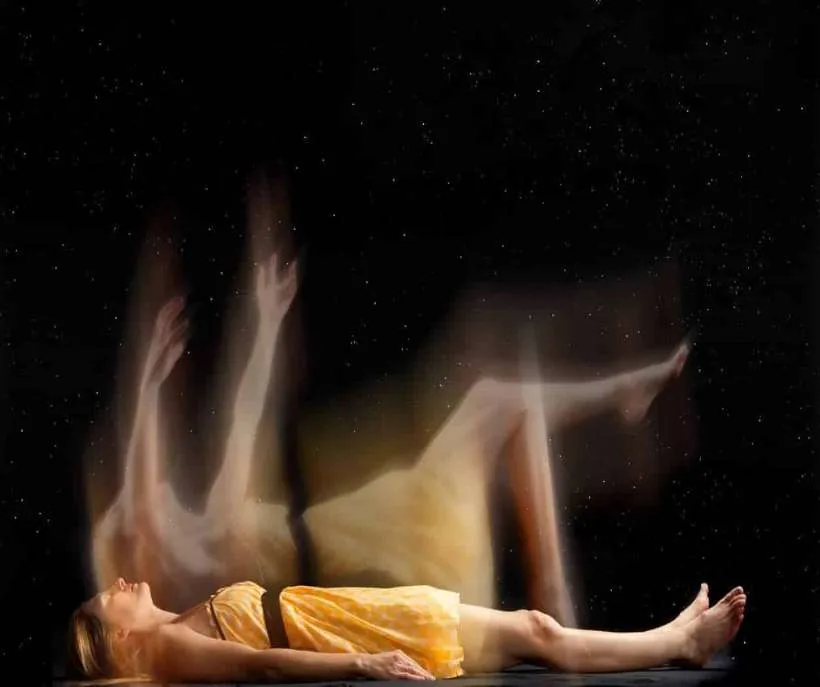
- Out-of-body feelings. Practitioners describe anything from feeling slightly “displaced” to seeing the world from outside your body. If you often feel cut off from yourself, as if you are watching your life from somewhere else, treat it as a warning sign, not progress. Pause your practice for now, and bring it up with a parent or your doctor.
- Synchronicities. Many people on a spiritual path notice more meaningful coincidences, like seeing the same angel numbers again and again. Enjoy them, and write them down.
- Vivid dreams. Dreams that feel brighter or more “real” are on almost every list, and on their own they are nothing to worry about. Our page on the spiritual meaning of dreams helps you read them.
- Premonitions. Tradition holds that your intuition sharpens during an awakening, so you may sense what is coming before it happens.
- A calmer, wider awareness. Believers say your whole state of mind can feel like it is “vibrating” higher. Many describe it as calmer, more connected and more present.
Two things on these lists need a doctor’s view. The NHS says sleep paralysis, when you cannot move or speak as you wake up or fall asleep, is scary but harmless. Mention it to a doctor if it happens often and leaves you scared of bed or tired all the time, the NHS adds. If it keeps happening while you are doing a lot of meditation or energy work, pause that practice for a while and tell someone you trust.
Seeing, hearing or feeling things that do not exist outside your mind is different. For that, the NHS says to see a doctor immediately.
Some ascension lists call this a sign of the Shift. We do not.
○ Energy Up the Spine and Kundalini
Buzzing in your hands and feet, heat climbing your back, sudden jerks or swaying. Many people call these kundalini rising. If you want to know how this belief maps the spine, our guide to the seven chakras and how to unblock them walks through each energy center. Kundalini is often pictured as a coiled serpent, and our page on what snake dreams mean looks at why some people link the two.
Researchers have heard the same stories. A Brown University study, published in PLOS ONE in 2017, talked to 60 Buddhist meditators, 20 each from the Theravada, Zen and Tibetan traditions. The body experience they talked about most was “somatic energy”. Some said it felt like “voltage” or “currents” running through the body, and when it was strong, it was sometimes followed by movements they could not control.
The Religions paper adds something important. Very similar sensations also appear in the standard list of experiences in schizophrenia spectrum conditions.
That does not make your buzzing an illness, but it does make it a body sign first. If tingling, heat or jerking keeps coming back or frightens you, see a doctor before you call it kundalini.
One kind of tingling never waits. The NHS lists weakness or numbness down one side of your body, a drooping face or slurred speech as signs of a stroke. If you notice any of them, call your emergency number.
○ Energetic Ascension Symptoms
Many people who believe they are going through the Shift say electronics act up around them. Streetlights flick off as they walk underneath, or a phone refuses to charge.
It is one of the most charming bits of ascension folklore, and nothing about it needs fixing.
What Is Ascension Flu?

Ascension flu, also called ascension sickness, is the name believers give to a rough patch in an awakening. You feel achy, tired, sick and foggy, and you sleep badly, all at once.
It is a spiritual name, not a medical one. If you feel like that, or you have a fever with aches, look after it as an ordinary illness first. Rest, drink plenty and see a doctor if you get worse.
The clearest picture of how it catches people is a Guardian column from 1 March 2019. The Guardian writer Brigid Delaney had a week of nausea, then aches in all her joints, then she kept waking between 2am and 5am. When she searched her symptoms, the only thing they all matched was “ascension flu”.
She ticked off a “most comprehensive list of ascension symptoms” with dread, and four days later, her Guardian column says, she slept right through the night. A list with fifty things on it will fit you in any bad month, and she was having a bad month.
(If waking in the small hours keeps happening to you, see what people believe about waking up at 3am.)
○ How Long Do the Symptoms Last?
Nobody can give you a real number. Blogs and forums promise that ascension flu passes in a few days, but none of them could show us where that figure came from.
Real reports run from days to years. In Brown University’s meditation study, the distress that came with hard experiences ranged “from minimal and transient to severe and enduring”.
So do not wait out anything in your body because of a timeline. Use the NHS markers in the doctor section below instead.
Are They Real? What Research Says

The experiences are real. The cause is the open question.
A lot of what is on an ascension list is what stress and worry can do to your body. The NHS lists headaches or dizziness, chest pain or a faster heartbeat, and sleeping or eating too much or too little as signs of stress. It also says many people whose symptoms puzzle their doctors also have depression or anxiety.
A panic attack can bring a racing heart, sweating, shaking, dizziness and tingling fingers, the NHS says. If you have ever had one, you know how “spiritual” that rush can feel.
People who meditate a lot report many of the same changes, too. Besides the “energy” we talked about above, the Brown University meditators said they needed less sleep or could not sleep, had vivid dreams and nightmares, ate less, and felt hot or cold. What helped them were plain things: more sleep, changes in what they ate, exercise and, for the hardest cases, medicine.
Doctors also have a name for spiritual distress, and it is not “crazy”. David Lukoff, who proposed it with two psychiatrists, says the DSM, the manual doctors use to name mental health problems, added “Religious or Spiritual Problem” (V62.89) in its 1994 edition. Stanislav and Christina Grof went further with the idea of a “spiritual emergency”, which a 2010 review in the International Journal of Transpersonal Studies calls a crisis about spiritual things “that provides opportunities for growth”.
Buddhist teachers draw the line in a way we find useful. A 2020 study in Frontiers in Psychology says some Buddhist teachings expect hard experiences as part of the path. It also lists the signs people use to tell a spiritual experience from an illness, and the first two are “potential medical issues” and “level of functioning”.
In plain words, check your body first. Then ask yourself if you can still get through your day.
Do Solar Flares or the Schumann Resonance Cause Them?

Some days it seems everyone online is posting about their ascension symptoms today, all at once. A solar flare or a spike in the Schumann resonance usually gets the blame. We understand why: a shared cause makes a hard week feel less lonely.
But NASA says harmful radiation from a flare “cannot pass through Earth’s atmosphere to physically affect humans on the ground”.
The Schumann resonance is a radio hum made by lightning. Skeptoid explains that it is “a vanishingly small component” of the energy around you every day, and that its 7.83 figure “comes up again and again in sales pitches”.
So if you feel awful on a flare day, look at your own week first: your sleep, your food, your screens and your worries. That is where the help is.
How Do I Know if I Am Ascending?

No test can tell you, and anyone selling one is selling something. Start by ruling out the ordinary. Anything in your body or memory goes to a doctor first.
What believers describe as ascension at its clearest is inner. It tends to look like this:
- your values shift, and old goals stop feeling like yours
- you want more quiet, more nature or more time alone
- meaningful coincidences seem to stack up
- you feel more for other people, and small cruelty bothers you more
- you are drawn to meditation, prayer or books you never cared about before
Here is a small test you can start tonight. For two weeks, write two lines before bed. Write one about how you saw things differently today, and one about how you slept.
At the end, read them back. If the first lines are full and the sleep lines look fine, you have your answer. If the sleep lines worry you, you have a different one.
○ How Do You Know if You Have Ascended?
Believers rarely describe a finish line. Most talk about it as a way of living: calmer, kinder, more present, and less shaken by the things that used to knock you over.
Nobody can measure that. We would be wary of anyone who tells you that you have arrived (or that you have not).
Symptoms That Need a Doctor First
This is the part we most want you to read. Your body does not have to choose between ascension and medicine, but it needs medicine first when these turn up. Our full list of body signs that need a doctor covers every sign in this group.
Call your local emergency number (999 in the UK) if you or someone with you has any of these signs from the NHS:
- sudden chest pain or pressure that does not go away, pain spreading to an arm, the neck, jaw, stomach or back, or chest pain with sweating, feeling sick, lightheaded or short of breath
- a racing or pounding heart that does not go away, or comes with chest pain, shortness of breath or fainting
- gasping, choking or not being able to get words out, a tight or heavy chest, lips turning blue or gray, or sudden confusion
- a face drooping on one side, an arm that is weak or numb, or slurred speech
- a headache that started suddenly and is extremely painful, or comes with numbness or weakness
- fainting with chest pain or a pounding heart, during exercise, with shaking or jerking, or not waking within a minute
- ringing in the ears with sudden hearing loss, face weakness or a spinning feeling
A panic attack can feel like a heart attack, too. Cleveland Clinic says that if you have chest pain, trouble breathing or you pass out, you should get emergency care either way.
Book a doctor soon, the NHS says, for any of these slower signs:
- any faint at all
- trouble sleeping for months
- feeling tired for a few weeks without knowing why
- feeling low most of the day, every day, for more than 2 weeks
- worry that affects your daily life and is hard to control
- night sweats that wake you often, or come with a very high temperature, a cough or weight loss you cannot explain
- seeing or hearing things that others do not (the NHS says to go immediately)
If you are under 18, let a parent or another grown-up on your side know what is going on, even when it feels awkward. No spiritual explanation is worth waiting out any of these.
Talk to your doctor before you stop or change any medicine, however awakened you feel. One poster on Reddit stopped her antidepressants without asking, and her depression and anxiety came back.
○ If You Are Thinking About Ending Your Life
Some people in awakening groups describe pain so heavy that they think about dying to make it stop. If that is you, please talk to a real person about it now, even if the thought feels small or far away.
In the US, you can call, text or chat with the 988 Lifeline on 988 at any hour of any day, and it costs nothing and stays private.
For the UK, the NHS lists Samaritans on 116 123. It also lists Childline on 0800 1111 for anyone under 19, and the number will not show up on your phone bill. In India, Tele MANAS connects you with a counselor on its toll-free number, 14416.
If you feel you may act on those thoughts, the NHS says to call 999 or go straight to A&E. Anywhere else, phone your local emergency number or ask someone to take you to a hospital.
What Blocks Spiritual Awakening?

People ask this as if they are doing something wrong. We do not think any feeling can block you, but some habits make an awakening much harder to live through. In Brown University’s study, not sleeping enough, not eating well and not moving tended to come before the hardest experiences.
Add to that hours of extra meditation with nobody to talk to, cutting off friends because they “do not get it”, and treating every ache as a message.
The fix is not dramatic. Pause the practice that overwhelms you, eat a proper meal, and go outside and do something ordinary for a few days. Your path will still be there when you come back.
Self-Care During an Awakening

A big inner change can feel like too much, so be gentle with yourself. Clear out what drains you, like a group chat that makes you anxious, and keep some time just for you.
Look after the basics. Eat regular meals, drink water, move in a way you enjoy and get outside when you can. Sleep matters most of all. The CDC recommends 8 to 10 hours a night for teens aged 13 to 17, and 7 or more for adults.
Keep roughly the same bedtime and wake-up time, and give yourself a quiet hour first. Our ideas on what to think about before bed fit nicely into that hour.
Herbs and crystals can be part of your ritual too. A sachet of dried lavender by your pillow is a soothing way to close the day, but do not count on it to fix anxiety or insomnia. NCCIH, the US government’s center for complementary health research, says it is unclear whether lavender aromatherapy helps with either.
NCCIH also says lavender oil aromatherapy may cause headache or coughing, lavender on the skin can cause allergic reactions in some people, and it might interact with some sedative medicines. Little is known about its safety in pregnancy or while breastfeeding. So check with a doctor before you take any lavender product by mouth, and with a parent too if you are under 18.
Labradorite is the stone many crystal lovers reach for in times of change, because it is said to help you move through transitions. Keep one in your pocket as a reminder of who you are becoming, alongside proper care rather than in place of it.
Then give yourself one ordinary pleasure each day: a walk, a call with a friend, a song you love. Whatever the Shift turns out to be, it will find you rested.
Frequently Asked Questions
How long do ascension symptoms last?
There is no reliable timeline. Blogs promise a few days, but none could show where that figure came from, and in a Brown University study of meditators, distress after hard experiences ranged from brief and mild to severe and lasting. Do not wait out anything in your body. The NHS says to see a doctor if you have been tired for a few weeks without knowing why, or have felt low most of the day, every day, for more than 2 weeks.
Can ascension symptoms be dangerous?
The symptoms can be, because many of them are also signs of illness, and calling them ascension can make you wait when you need help. Call your local emergency number (999 in the UK) for chest pain that does not go away, a racing heart that will not settle, severe trouble breathing, a drooping face or slurred speech, or a sudden, extremely painful headache. The NHS says seeing or hearing things that others do not needs a doctor immediately. If you are thinking about ending your life, you can reach the 988 Lifeline in the US, Samaritans on 116 123 in the UK or Tele MANAS on 14416 in India.
Is ascension to 5D scientifically proven?
No. Ascension to 5D is a spiritual belief, not something physics or medicine has measured, and NASA says radiation from a solar flare cannot pass through the atmosphere to physically affect people on the ground. You can find meaning in the Shift and still treat your body the ordinary way.
Is it ascension or anxiety?
Often the two look the same. The NHS lists difficulty sleeping, tiring easily, palpitations and feeling lightheaded among the symptoms of generalized anxiety, and those turn up on most ascension lists too. If worry or panic is running your days, a doctor or counselor can help, and getting that help does not stop you exploring the spiritual side.
What is the final stage of spiritual awakening?
In most awakening stories, the last stage is a settling rather than a big moment. The new way of seeing becomes ordinary life, and you feel calmer, kinder and more present. Nobody can measure it.
Can ascension cause high blood pressure, weight loss or stomach problems?
Each of these has ordinary causes, so check them the ordinary way. The NHS says high blood pressure usually has no symptoms at all, and the only way to know is to have it measured. Stress can upset your stomach, and the NHS says to see a doctor if you keep losing weight without changing your diet or exercise.







This is a great article, very well presented, and well written! So much so that I saved a direct link to it on my home screen for personal referencing! I encourage others to read and comment and thank you for putting your time and effort into creating an article you should be proud of! 🥰