
If you’re asking what’s the point in life when there’s suffering everywhere, you’re asking one of the oldest questions people have. Nobody gets a ready-made answer, but the people who’ve lived through the worst of it tend to land in the same place. Meaning gets built in the middle of hard times, mostly through the people and things you care about.
If part of you is thinking about ending your life, please tell someone today. A helpline, a parent, a friend or a teacher all count, and you don’t have to explain it well or wait until it feels serious enough.
- US: call or text 988, the 988 Suicide & Crisis Lifeline, any time, day or night. It’s free and confidential.
- UK and Ireland: call Samaritans free on 116 123, any time, from any phone. If you’re under 19 in the UK, you can also call Childline on 0800 1111, and the number won’t show up on your phone bill.
- India: call Tele MANAS on 14416. It’s toll-free, open 24/7, and you can choose your language.
- Anywhere else: Find A Helpline lists free, confidential helplines near you, by phone, text or chat.
If you’ve hurt yourself, or feel you’re about to, call your local emergency number or go straight to the emergency department (A&E in the UK). If today feels too heavy to think past, leave the future alone for now and focus on getting through today. Worried about a friend instead? You can call these lines for advice too, and we’ve written about how to be there for someone in need.
When the Question Won’t Go Away
Wondering what life is for after a breakup, a loss or a news story that knocks the wind out of you is normal, and it usually fades. Depression is different. It means feeling persistently sad for weeks or months, rather than just a few days, with lasting unhappiness and hopelessness, or losing interest in things you used to enjoy.
If “what’s the point?” has been your background noise for weeks rather than days, get it checked, the way you would a cough that won’t clear. Tell a parent or a trusted adult. The NHS, the UK’s health service, says it’s important to see a doctor if you think you may be depressed, and that with the right treatment and support, most people with depression can make a full recovery. Nothing on this page replaces that. Philosophy is a good companion. It’s a poor doctor.
Why does God allow Suffering?
Every faith answers this differently. Buddhism starts with suffering itself. Its First Noble Truth gets shortened to “existence is suffering”, but the teaching is subtler: even when nothing outwardly bad is happening, we often feel unfulfilled and unsatisfied. And it doesn’t stop there. The Buddha went on to teach what we can do about suffering and how to end it. Other traditions speak of free will, of karma, or of a plan too big to see from where we stand.
Whatever you believe about where suffering comes from, the response is the part that belongs to you. You can’t wipe out the world’s pain, however much you’d like to. You can shape how you meet the share of it that reaches you.
○ Resistance to Change
Nothing stays the same. Friends move away, bodies change, seasons turn, and the hard thing you’re living through right now will change too. Fighting that is exhausting. Many spiritual traditions teach that a lot of our pain comes from gripping things that were always going to shift.
You can see it whenever a crisis hits a whole community, whether that’s an illness sweeping through, a flood or a sudden death. The people who cope best are rarely the ones pretending it isn’t happening. They accept that it’s real, then ask, “What can I actually do?” Sometimes that’s cooking for a neighbor. Sometimes it’s just making it to bedtime. Learning to adapt to changing times, even painful ones, frees up the energy you were spending on wishing things were different.
○ Seeing Ourselves as Separate

Everything is connected. We eat what the earth grows, breathe what the trees give off, and return to the same earth that feeds new life. Many traditions treat that web as sacred, and there’s something steadying about seeing yourself as one thread in it.
When we think of ourselves as cut off from everything else, we feel lost and lonely, and life starts to look pointless. Loneliness and meaninglessness feed each other.
Climate change shows how shared suffering works. It’s tempting to blame the people who did the most damage, and some of that blame is fair, but caring for the planet still falls to all of us. Sir David Attenborough spent decades speaking up for a living world that was never his concern alone. People like him keep going because they feel connected to the whole of it.
If you feel cut off, connection is the most practical place to start. Good relationships help you build a sense of belonging and self-worth, and both run short when life feels pointless. A message to an old friend counts. So does sitting with your family at dinner.
○ Choosing Fear Over Love
All of us have more in us than we use, and fear is usually what holds it back. You can’t choose the wave that hits you. You can choose whether you try to ride it.
Fear makes us hide. We scroll through bad news, feel awful and wish things were better. Love and hope pull the other way, toward doing something. Feeling helpless and sad about what others are going through is human. When you’re able to, flip your perception from “there’s nothing I can do” to “what’s one thing I can do?”
Research suggests that giving and kindness can improve your mental wellbeing and give you a feeling of purpose and self-worth. You can improve someone’s day from wherever you’re standing, and it tends to improve yours.
○ Chasing Wrong End Goals
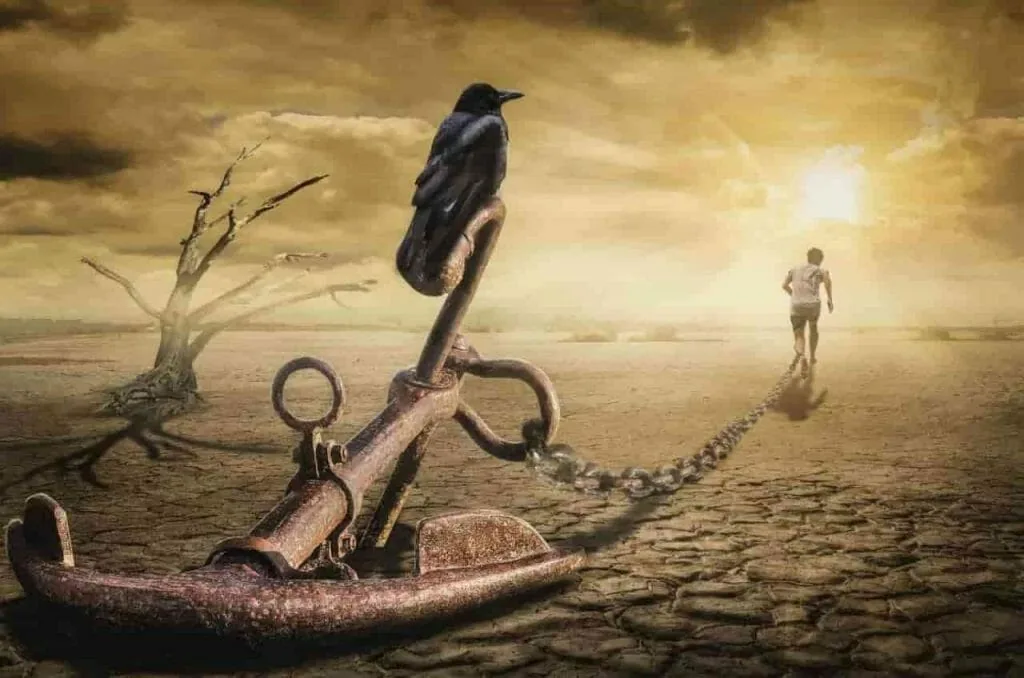
We’re sold the idea that the point of life is to be happy all the time. That sets everyone up to fail. Happiness isn’t built to last forever, and that’s fine. A full life holds the whole range: joy, grief, boredom, anger, love.
Making nonstop happiness the goal is an unrealistic standard. In a world with war and serious illness in it, staying cheerful every minute would mean looking away or turning selfish.
Think about the moments when hard times felt lighter. They usually weren’t happy moments so much as useful ones: helping a friend through something, looking after a sibling, taking care of yourself when nobody else did. Meaning holds up on bad days in a way happiness can’t. It lets you ride the highs and lows without losing yourself.
What is the best way to go Beyond Pain and Suffering?
Suffering will be part of life whether we like it or not. So a more useful question than “why does anything matter?” is “what would make the struggle worth it for me?”
○ Having a very strong “why”
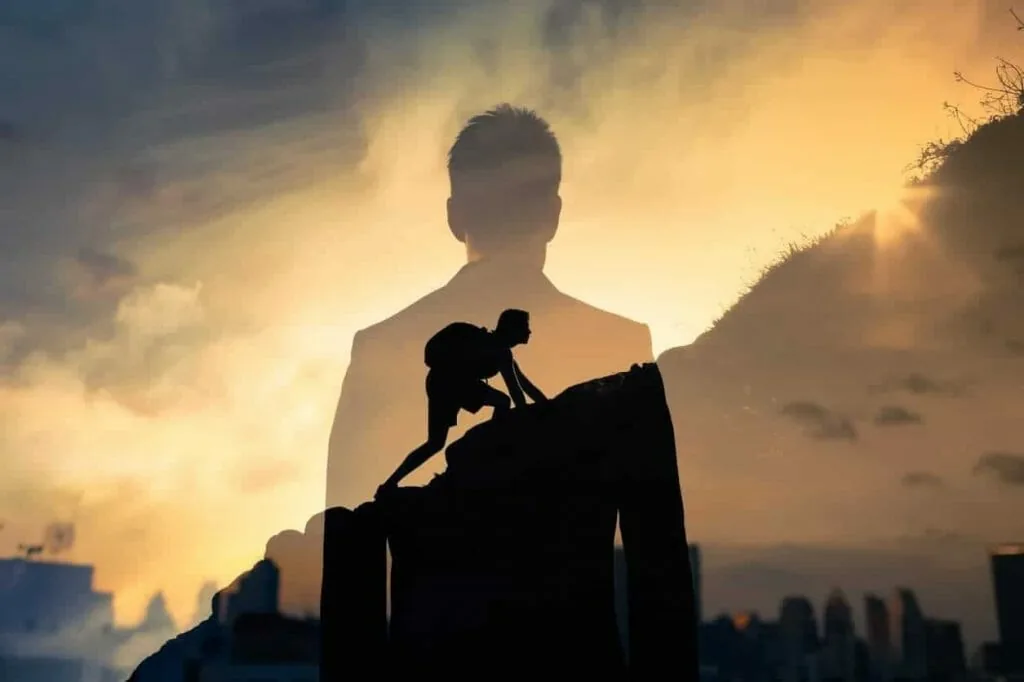
Part of what makes good things precious is that they don’t last. A sunset you could watch forever wouldn’t stop you in your tracks. Our time being limited is what gives ordinary days their weight.
The psychiatrist Viktor Frankl quoted Nietzsche: “He who has a why to live for can bear almost any how.” In the concentration camps, he saw that the people who knew a task was waiting for them were the most likely to survive. A strong “why” makes the “how” of a hard season easier to carry.
Here’s where we part ways with a lot of motivational writing. Your why doesn’t have to be world-changing, and it should never ask you to go cold on your own pain. Your breakdowns matter. A why can be a little brother who looks up to you, a dog who needs walking, a song you haven’t finished, a friend who’d be lost without you. Spiritual teachers and big achievers often run on a huge why. Plenty of very good, very ordinary lives run on small ones.
○ Finding Our True Selves
In his book “Man’s Search for Meaning“, Frankl describes three ways to find meaning: by creating a work or doing a deed, by experiencing something or encountering someone, and by the attitude we take toward suffering we can’t avoid. He was careful about that third path. It only applies when the suffering truly can’t be avoided, and he wasn’t asking anyone to suffer when they didn’t need to. If someone or something is hurting you and you can get away from it, getting away and getting help comes first.
Frankl’s book also deals with a hard triad: pain, guilt and death. They can make everything feel numb. His three paths still leave somewhere to go: courage through work you care about, warmth through the people and moments that move you, and strength in how you carry what you can’t change.
Society keeps advertising money, fame and looks as the things that will fill you up. Frankl’s school of therapy, logotherapy, treats the search for meaning as the main force that drives human beings. Remember that the next time a feed tells you otherwise.
Having a “Cause” that Surpasses Individual Limitations
The point of life isn’t to be the best, the happiest or the richest. Those can fuel your passion. Purpose sits a level above them, in something that would still matter if you never got credit for it.
When your reason to get up in the morning reaches past your own wants, toward other people, your community or the world, suffering stops being only a reason to quit. It becomes part of the work. That’s why so many people find their footing by serving others.
○ The Vision of a Better Future for All
People who keep going through hard years often describe the same thing: a picture of a future they want to help build. It might be a cleaner river in your town, a kinder school, a cure for the illness that took someone you loved, or a family that does things differently from the one you grew up in. A vision like that doesn’t sit and wait for a better future. It gets you working on one.
You don’t need a grand plan to start. Write down one thing about the world, or your corner of it, that you’d like to be better in five years. Then write one small thing you could do toward it this week. That’s a vision. Come back to it on the days that feel pointless.
○ Saying Yes to Life Despite the Pain (Viktor Frankl)
Viktor Frankl was an Austrian neurologist, psychiatrist and Holocaust survivor who founded logotherapy, a school of therapy built on the search for meaning. He spent three years in four concentration camps, and lost his father, mother, brother and wife to the Holocaust.
Out of that came what he called “tragic optimism”: optimism in the face of pain, guilt and death, or saying yes to life in spite of everything. It doesn’t mean forcing yourself to smile through tragedy. It means finding a reason to live consciously, for yourself and for others, inside whatever circumstances you’re in, even when tragedy hits the deepest. Underneath it sits what Frankl called “the last of the human freedoms”: the freedom “to choose one’s attitude in any given set of circumstances”.
Logotherapy offers no single meaning of life for everyone. Its aim is to help people find meaning in their own day-to-day situation. So the question Frankl leaves you with is a small, useful one: what is asking something of you today?
○ Be the Change You Wish to See (Steve Jobs)
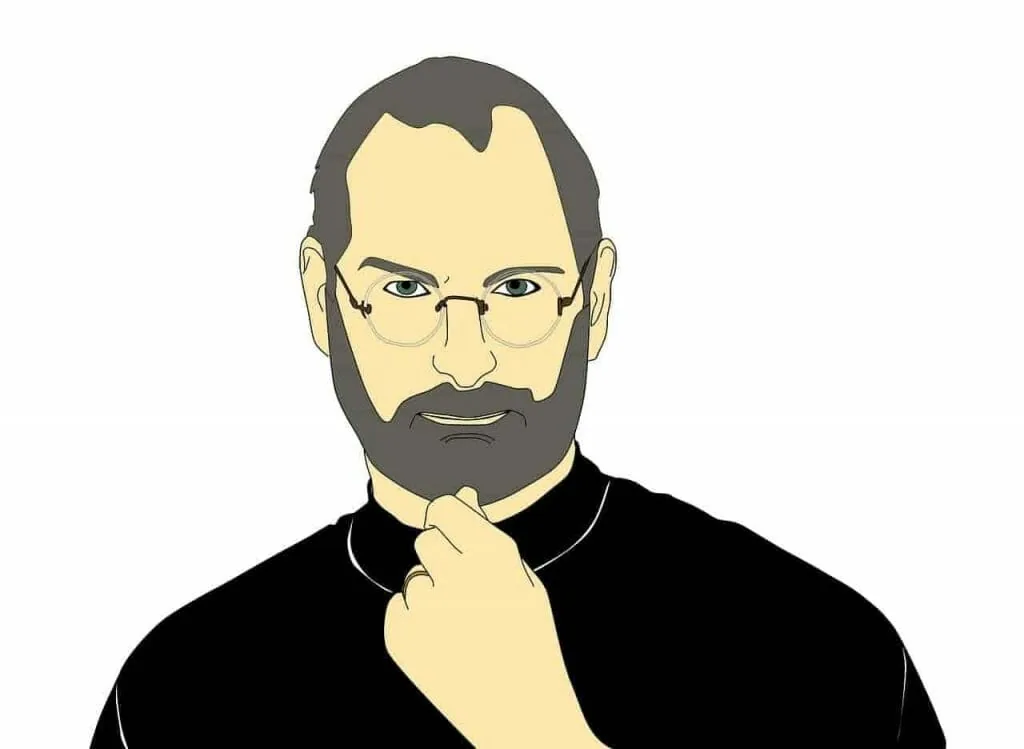
Some people feel that life simply happens to them. Others act as if they have a hand in where it goes. You aren’t a puppet in the hands of fate. You can’t control everything, but you can shape more than it feels like on a bad day.
Apple co-founder Steve Jobs gave a commencement speech at Stanford University that’s mostly about hard times. After dropping out of college, he sat in on a calligraphy class that seemed useless, and years later it shaped the typefaces on the first Macintosh. His lesson: you can’t connect the dots looking forward, only looking back, so you have to trust that they’ll connect in your future, whether you call that your gut, destiny, life or karma. Of being fired from his own company, he said, “Sometimes life hits you in the head with a brick. Don’t lose faith,” and that what kept him going was loving what he did.
That kind of trust helps most when you’re in the thick of something and can’t see the point yet. The dots you’re living through now may only make sense later.
A Recap on What The Point of Life Really Is
This question usually turns up when life hits rock bottom and you feel lost and beaten. When it does, try asking it differently. Instead of “how do I get free of suffering?”, ask “what could this mean, and who could I be for someone because of it?”
Perhaps the point of life is the meaning we find inside suffering.
You didn’t choose most of what hurts. Illness, loss, other people’s cruelty: those aren’t signs you did something wrong. What stays yours is the response: how you treat yourself, who you reach for, what you build next. That freedom can’t be taken from you.
The Buddha, Frankl and the ordinary people who rebuild after floods and funerals point the same way. Meaning grows from connection, from making something, and from the attitude you bring to what you can’t change. It nearly always starts small. For more ways to get through a rough patch, read when life gets hard: ways to find strength and hope.
And if this question has ever felt heavy enough that you’ve thought about not being here, scroll back up and call or text one of those helplines today. Reaching out isn’t a burden on anyone. It’s what those lines are there for.





This topic has been on my mind quite a lot as of late. I could endlessly discuss the various aspects of all this (if only anyone cared to), but I must ask, what of the animals?
How do they create their meaning? What are their hopes and dreams? They are part of a repetitive cycle of violence where they don’t get to create meaning like Elon or Steve Jobs. They exist, procreate, certainly not all the species, in a loving, nurturing way towards their offspring, and many lead lonely existences surrounded by danger and fear until they succumb to “nature” (disease, damage, predators, hunger, thirst). What are they to hope for?
I struggle to imagine how this is ok on any level. And we are not much different, except we have created a situation at the cost of nearly everything else to improve our lives (although certainly much of the world’s population is not as lucky as others).
It just doesn’t end well.
You say that life has meaning… Well I have lived life to the fullest for the longest time… And I hit that one bump in life that put me into a tail spin with no forseable way out… My relationship is suffering badly I just lost one of the most important parts of life when my mother passed away a few weeks ago… I have came to the conclusion that things are just not worth fighting for when they are just going to be taken away or walk out of your life anyways… I’ve tried suicide several times and still have not been successful at it… But I know that it’s not my time or wouldn’t be talking to you all now… I just can’t get my white together again enough to have the will to want to live… My girlfriend is such a sweet woman and yet when I look at her all I see is the misery that I brought to her life even though she says she is not miserable… Through my eyes I see different… I guess only two ways to go from here… Up or down… Time will show me what I am destined for…