Where do we find strength when life gets hard and there seems to be nothing left in us? Well, most of us find it in smaller places than we expect, in the next hour rather than the next year, in one honest conversation, and in remembering the storms we have already come through.
Hope works the same way, because it is less a feeling that visits us and more a skill we can practise, one small step at a time.
Start here
Where Are You Today?
Choose the line closest to how you feel right now and go straight to the part that helps.
- Too overwhelmed to think past tonight? Shrink the day to the next hour
- Lost sight of why you are even trying? Go back to your ‘why’
- Did your plan just fall apart? Look for a second road
- Carrying all of this on your own? Tell one person the truth
- No energy and no motivation left? Let routine carry you for a while
- Has nothing felt good for weeks? This may be more than a hard time
Also on this page Hope is a skill we can practise Help right now, wherever you live Quick answers

Everything below is meant for the weeks when something has actually gone wrong, such as a breakup, a lost job, a failed examination, an illness or a death in the family, whilst our self-help guides carry the calmer, everyday work of growing stronger. If your trouble feels more like a slow, grey grind than a sudden blow, our piece on why life can feel like it sucks may fit you better.
What It Means to Find Strength

We tend to picture strength as the person who never cracks, who smiles through everything and needs nobody’s assistance. However, that picture is exactly what makes difficult times harder, because the moment we wobble, we decide we must be weak.
Real strength is far plainer, and far more ordinary, than that.
It is getting out of bed on the morning after the bad news, answering one message, eating something and doing the next small thing whilst it still hurts. Most of the strong people we admire were simply doing that, day after ordinary, exhausting day.
○ Hope Is a Skill We Can Practise
Hope sounds like a mood that either arrives or doesn’t. The University of Texas at Austin, in a summary of psychologist Chan Hellman’s research, describes it very differently, as “a way of thinking that can be taught” that is linked with well-being.
In this hope theory, as the University of Texas at Austin summary sets it out, the thinking has three parts, namely a goal we care about, different ways of reaching it and getting around obstacles, and the belief that we are able to work on both.
When life gets difficult, it is usually the last two that break first. We can still see where we want to be, but we cannot see a road, or we no longer trust ourselves to walk it.
The same page carries a line worth keeping close, “Hope begets hope.” Every small task we manage, the University of Texas at Austin explains, gives us hope that we can manage it again, which is why the ways below start small on purpose.
13 Ways to Find Strength and Hope When Life Gets Hard
None of these needs money, an application or a perfect mood. Pick the one that feels least impossible today, and come back for the others whenever you are ready.
1. Shrink the Day to the Next Hour
When everything falls apart at once, the mind tries to solve the whole future in a single sitting, from the next month and the money to the exams and what everyone will say. Nobody can carry all of that simultaneously, and trying to is precisely what convinces us that we have no strength left at all.
The answer is to shrink it. Ask only, ‘What do I need to get through the next hour?’, and then do that one thing, whether it is a glass of water, a shower or a single conversation.
People who have come through the worst stretches of their lives often describe exactly this, one day at a time, and on the very worst days, one hour or even one minute at a time.
We call it the ‘next-hour rule’, and it sounds far too simple to work, yet a whole day is only a stack of those hours!
2. Go Back to Your ‘Why’

Our ‘why’ is the reason we keep going, whether that is a younger sister who looks up to us, a dream we are not ready to give up, a parent we want to make proud, or simply the person we are trying to become.
Difficult times test that reason harshly, so it helps to know it before the storm and to return to it during one, which is the whole idea behind our guide to remembering your why.
The psychiatrist Viktor Frankl built his life’s work around this. As the Viktor Frankl Institute records, he was held in Kaufering and Türkheim, subsidiary camps of Dachau, and afterwards dictated the book we know in English as Man’s Search for Meaning within nine days.
His message, put simply, is that people can bear tremendous suffering when they understand what they are bearing it for. Write your ‘why’ down in one line today, and keep it somewhere you’ll see it on the bad mornings.
3. Let Yourself Fall Apart a Little
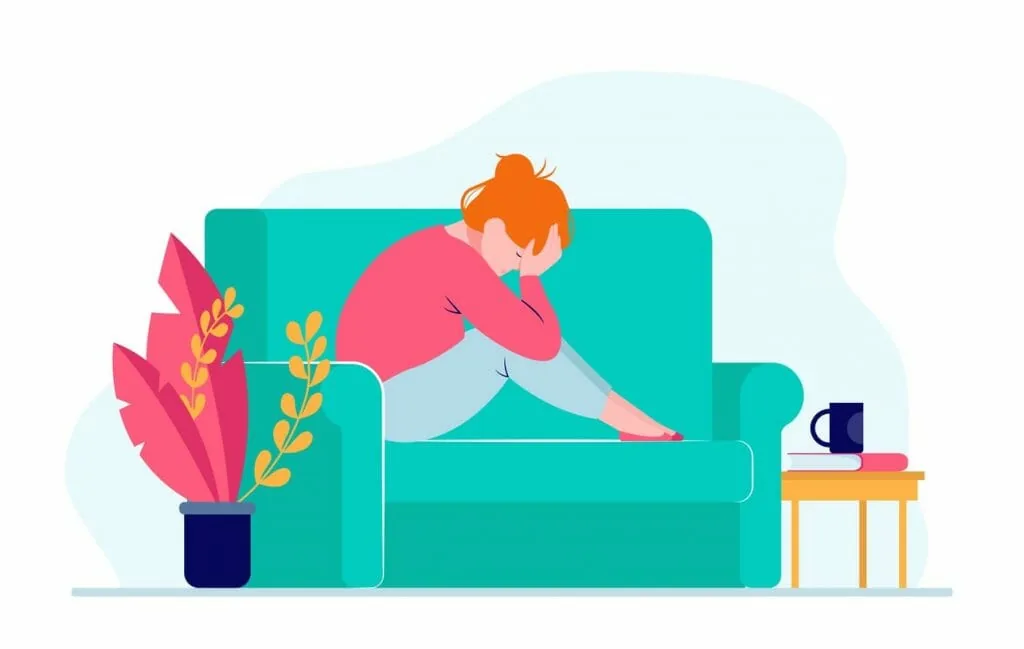
Many of us grew up hearing ‘be strong’, ‘do not cry’ and ‘others have it worse’. Well, others may well have it worse, and our pain is still real.
Telling ourselves to suck it up does not make the hurt any smaller, it only makes us lonelier inside it. Let the tears come if they need to, and if words help more than tears, write the whole mess down in a notebook, every angry, unfair and frightened thought, without correcting a single sentence or worrying about spelling.
Your feelings are valid, even when nobody around you can see what you are going through.
Feeling them completely is often what lets us stand up again afterwards, and you don’t need anyone’s permission to find this difficult!
4. Remember What You Have Already Survived
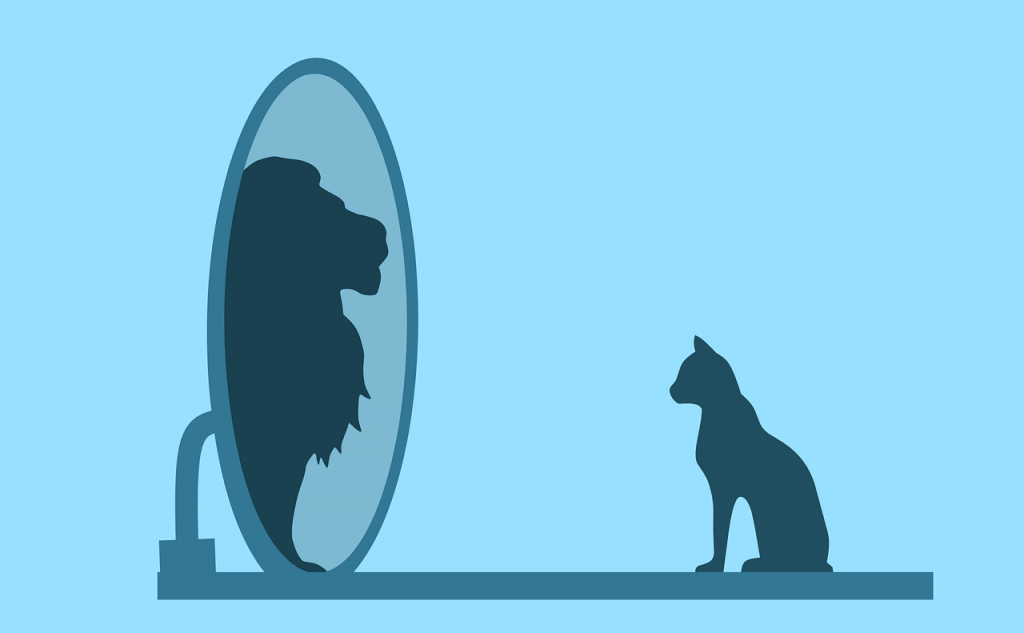
Hard times have a nasty habit of making us forget every bit of strength we have previously shown. Ask yourself one honest, uncomfortable question, what is the hardest thing I have already got through?
Make a short ‘survival list’ of those times, such as the examination you were sure you would fail, the move to a different city or school, the friendship that ended, or the illness you nursed somebody through. Next to each one, write down what you did that helped, because those are your real strengths and they still belong to you.
This is the heart of a growth mindset, the belief that we can learn and grow through whatever happens to us rather than being fixed by it.
We are usually braver than we feel from the inside.
5. Look for a Second Road

When a plan collapses, it feels as if the only road has been completely washed away. In the language of hope theory, we have lost our pathways, and the remedy is to go looking for a second road on purpose.
Take a sheet of paper, write the goal at the top, and list three different ways towards it, however clumsy or unrealistic they look. Failed an entrance exam? Retaking it is one road, a different course is another, and a year of work whilst you decide is a third.
Seeing a tough situation from another perspective also tends to shrink it. What looks like the end of the world at midnight often looks like a problem with a few possible answers by the following afternoon.
6. Tell One Person the Truth

There is an old saying that a problem shared is a problem halved. It isn’t literally true, of course; however, the relief of saying it out loud to someone who cares is very real.
Of the five steps the NHS gives for looking after our minds, connecting with other people comes first, and the NHS says plainly that “Good relationships are important for your mental wellbeing.” Hellman’s work, as the University of Texas at Austin summarises it, adds that “Hope is a social gift”, since being around hopeful people raises our own hope.
Pick one trustworthy person, not the whole group chat. A friend, a parent, a cousin, a favourite teacher or a counsellor will do, and one plain sentence is enough to begin, ‘I’m not okay at the moment, can we talk?’
7. Count What Is Still Good

Pain is greedy and demanding. It fills the entire screen and makes us forget the good things in life we take for granted, which are still quietly there.
Gratitude is one of the few comforts that has been properly tested. In a set of studies by psychologists Emmons and McCullough, published in the Journal of Personality and Social Psychology, people randomly given a gratitude list to keep came out ahead of the comparison groups, such as those noting their daily hassles, on some but not every measure of well-being, and the clearest gain was in positive mood.
Tonight, write down three small things, perhaps a warm cup of chai, a song that still makes you smile and the friend who replied. It will not fix the problem, and it certainly does not have to, because it simply lets a little light back into the room.
8. Do One Kind Thing for Someone Else
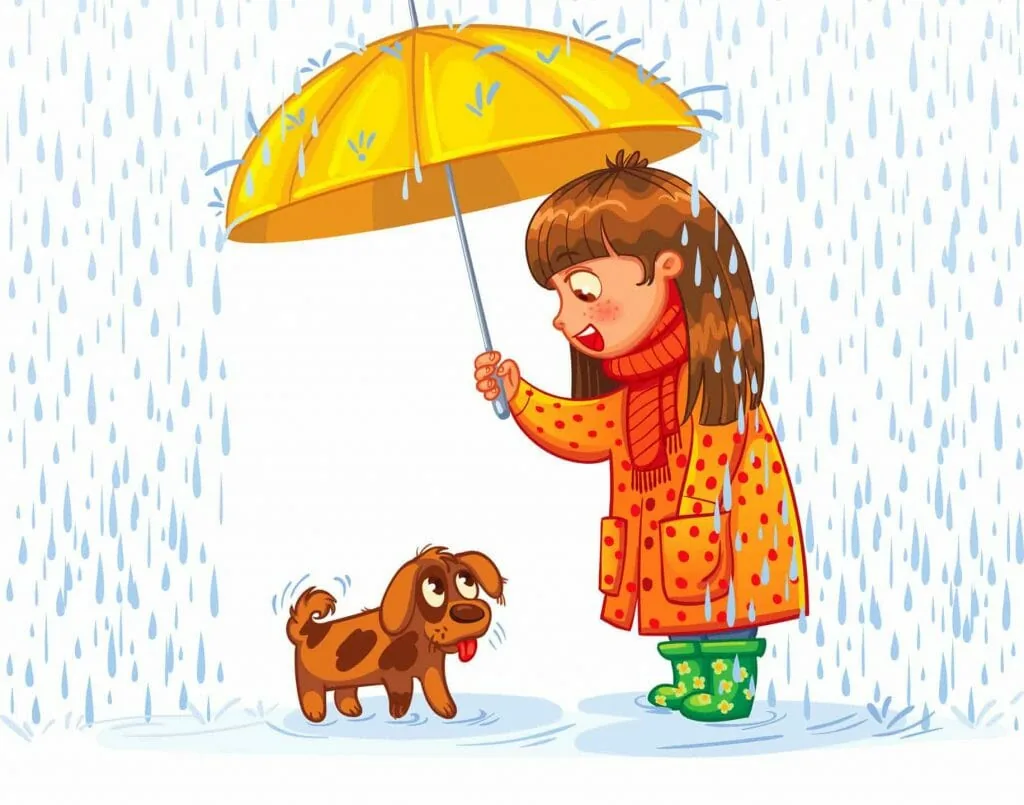
This one sounds strange, especially when we can barely hold ourselves together. How can we help anyone else when we are the ones who are struggling?
Well, a small kindness is one of the quickest ways back to feeling useful and connected. Giving to others is one of those same NHS steps, which notes that “acts of giving and kindness” can lift our mood, make us feel useful and worth something, and draw us closer to the people around us.
It need not be anything grand. Thank someone properly, help a classmate with their homework, or sit with a grandparent for an hour, and read more about why kindness matters whenever you have the energy.
Kindness gives our pain somewhere useful to go.
9. Borrow Courage From Other People’s Stories
Difficult times make us feel as though nobody has ever felt this way before. Hearing ordinary people talk honestly about their own low points breaks that spell faster than any motivational speech.
Two podcasts we have long recommended still hold up. Dear Sugars, the advice show formerly hosted by the writers Cheryl Strayed and Steve Almond, still has its episodes, reruns included, on WBUR’s website, which describes a show that fields all your questions.
Chris Gethard’s Beautiful Stories From Anonymous People sums up its own premise as “No names. No holds barred.” Each episode is a long, honest phone conversation with a stranger, and listening to one on a walk takes care of way 11 as well!
10. Say ‘This Too Shall Pass’ and Mean It

In the middle of it, pain feels permanent and everything looks impossible to overcome. That is simply what pain does to our sense of time, much like the shadow side of our own minds that insists things will always be this way.
The phrase itself is old. Abraham Lincoln told its story in a speech in Milwaukee in 1859, about an Eastern monarch who asked his wise men for one sentence that would be true in every situation, and they gave him “And this, too, shall pass away.”
It comforts us in bad times and humbles us in good ones, which is probably why it has survived for generations.
However, some of us have repeated it for years whilst things stayed hard, and then it starts to sound hollow.
If that is you, it may be time to stop only waiting and to change one thing, whether that is a person, a place, a habit or the kind of support you are getting, and our guide on accepting change is a kind place to begin.
11. Move Your Body, Even a Little

When we feel low, exercise is generally the last thing we want. That is precisely why the bar should be set almost embarrassingly low.
The NHS page on exercise for depression says that any exercise is better than none, and that “even a brisk 10-minute walk can clear your mind and help you relax.” Put your shoes on and walk to the end of the road and back, stretch on the floor for a few favourite songs, or dance badly in your room with the door shut.
Our bodies and minds are not two completely separate things. Moving one usually loosens the other, and the answer to a problem often turns up on a walk rather than at a desk.
12. Picture One Better Day
Daydreaming gets a bad name, but a little of it is genuinely useful in difficult times. Among the takeaways in the University of Texas at Austin summary of hope research is that “The ability to connect to Imagination fuels hope”, whilst fear and going round in circles drain our will to act.
Picture one ordinary, better day in detail, from where you wake up and who you talk to, to what you eat and how the evening feels. Then ask which small step today would realistically move you an inch towards it, because that is how a daydream becomes a plan and how we slowly leave the past behind.
People who follow the law of attraction go a step further and believe that holding that picture with real feeling helps draw it closer. Whether or not you share that belief, the picture is worth keeping, because it reminds us what we are walking towards.
13. Let Routine Carry You When Motivation Runs Out

Motivation is wonderful, sometimes even exhilarating, while it lasts. The trouble is that it comes and goes like the weather, and in hard times it mostly goes.
This is where discipline beats motivation. We do not mean being harsh with ourselves, only a handful of plain habits that carry us on the days we feel nothing, such as getting up at the same time, a shower, a proper meal, one task from the to-do list and bed at a sensible hour.
Habits like these ask for no decision, no willpower and no particular mood.
On the worst mornings, that is exactly the kind of help we need.
When a Hard Time Becomes Something More

Sometimes what feels like a rough patch needs more than self-help, however determined we are. The NHS says that people with depression may feel “sad, hopeless and lose interest in things you used to enjoy”, and it lists “not getting any enjoyment out of life” among the symptoms.
If those feelings have been with you every day, for most of each day, for longer than 2 weeks, that is the point at which the NHS advises booking a GP appointment. Outside the UK, that means your family doctor, a school or college counsellor or another mental health professional, and depression is something they can help you treat.
If joy has gone missing for weeks, please tell one trusted adult or friend today and let them help you organise that appointment. Asking for help takes real courage, and it is one of the strongest things any of us can do.
○ If Suicide Is on Your Mind
Some nights the pain grows so loud that dying begins to feel like the one exit left. If that is where you are, please reach out tonight instead of carrying it alone, because a trained listener is awake now, it is free, and ‘I’m not okay’ is enough of a first line.
- Americans can ring or text 988, or start a web chat, and a 988 Lifeline counsellor will answer, daytime or the middle of the night, free and in confidence.
- Anyone in the UK or Ireland can reach Samaritans on 116 123 around the clock, free from any phone with no credit needed, and the number stays off your bill.
- In India, dial 14416 or 1-800-91-4416 for Tele MANAS, the nationwide toll-free line, open 24 hours, and pick the language you want to talk in.
- For every other country, the Find A Helpline site gathers free, confidential support from verified helplines in over 175 countries.
Already hurt yourself, or afraid you are about to? NHS advice for the UK is to ring 999 and ask for an ambulance or get yourself to A&E at once, or to have someone else call 999 or take you there. Elsewhere, your local emergency number or the nearest hospital emergency department is the place to turn, right away.
One Small Thing for Tonight
Thirteen ways can feel like thirteen additional jobs, so please don’t try them all at once. Choose one for tonight, whether that is sending one message, writing your ‘why’ on a sticky note, taking a short walk or simply going to bed a little earlier than usual.
Tomorrow, if it helps, choose another.
When you feel ready to rebuild more than a single day, our guide on how to start over in life takes it one patient step at a time, beginning wherever you are.
FAQ: Finding Strength When Life Gets Hard
What do we do when life gets hard?
Make the problem smaller before you try to solve it: get through the next hour, tell one person what is happening, and look after the basics of sleep, food and a little movement. Then choose one small step you can take on the problem itself, however tiny it looks.
How do I find the strength to keep going?
Go back to your reason for carrying on, whether that is a person, a dream or the person you want to become, and remind yourself of the hard things you have already survived. Strength usually comes back through small actions repeated day after day, not by waiting until you feel strong.
Why have I lost joy in life?
Grief, stress, exhaustion and loneliness can all drain the joy out of life for a while. However, if nothing has felt enjoyable for most of each day, every day, for over two weeks, it can be a sign of depression, so please see a doctor or a counsellor. It is common, and it can be treated.
How do you have hope in hard times?
Treat hope as something you do rather than something you wait for. Pick one goal you care about, list a few different ways towards it, and take the smallest step on one of them; each small success makes the next one easier to believe in, and time with hopeful people helps too.
At what age does life get harder?
There is no single age. Large surveys of well-being across many countries tend to find a dip in midlife rather than in youth, which we look at in our piece on why life sucks sometimes, but hard seasons can arrive at any age, and the teens and twenties carry plenty of their own.
Is there a book or song called When Life Gets Hard?
Yes, both. ‘The Gift of One Day: How to Find Hope When Life Gets Hard’ is a Christian book by Kerry and Chris Shook about their grandson’s single day of life, and ‘When Life Gets Hard’ is a song by the singer-songwriter Chance Peña.