Every one of us has had a stranger do something small for us completely unexpectedly, and felt an ordinary day quietly turn around. Random acts of kindness are exactly that, small and unplanned things we do for somebody else without expecting anything back, like a thoughtful note or a held door. We think the best one is the one you can do in the next hour, so pick one suggestion from this page and do it today.
Quick pick
How Much Time Do You Have?
Pick the line that fits your day, then jump to the ideas.
- Five minutes and nothing to spend? Thank someone by name or let them go ahead in line
- Happy to spend a little? Snacks for delivery drivers or a spare umbrella to give away
- Got a free afternoon? Help someone move or host the neighbors
- At work or school? A note on a desk, or “Would you like a cup too?”
- Want a one day challenge? Five acts, all on the same day
- Planning a kindness week? Seven days, one small act each
Keep reading below Kind things to do for strangers Acts of kindness for neighbors Online acts of kindness Family and friends What to write in a kindness note Questions

Nearly everything below takes a few minutes and costs nothing, and none of it involves handing anyone money. Being kind on purpose is one of the plainest ways of growing as a person, and it doesn’t require any particular talent.
What Counts as a Random Act of Kindness?
Well, almost anything that makes another person’s day a little easier, done because we chose to and not because somebody asked. It can be big or small, and it usually costs us some time, attention or effort rather than money.
The word ‘random’ throws people off. Here it means unplanned and unasked for, the opposite of a favor someone has to request, and it has nothing to do with being careless.
The best-known group behind the idea is the Random Acts of Kindness Foundation, a nonprofit whose mission is making kindness the norm. Random Acts of Kindness Day and Kindness Week fall in mid February every year.
That’s a good excuse to start, although any ordinary week of the year works just as well, and nobody needs a designated date to be kind to the people around them.
○ The Types of Acts of Kindness
Most acts of kindness fall into five kinds, and it helps to know them because each of us finds certain kinds more comfortable than others.
There are kind words (a thank you, a compliment, an encouraging message), time and attention, practical help with a task, small things we make or bring, and simply including somebody who is standing awkwardly at the edge of the group.
If words come easily to you but spare time doesn’t, start with words. A shy person may find carrying a box far easier than paying a compliment, and that counts just as much!
Acts of Kindness Sorted by Effort

Most of us aren’t short of goodwill; we are short of time. That’s why the first sort is by how much each idea asks of us, and the sections afterwards sort everything else by who it is for.
○ Free, in Five Minutes
- Thank someone by name, whether it is the cashier, the bus driver or the person who cleans your office at night. The name is what makes it land.
- Let the person with two items go ahead of you at the checkout. It costs you a minute and saves them considerably more.
- Hold a door or the elevator for someone who is rushing. It is so automatic that we forget it is kindness at all.
- Compliment something a person chose, such as their suggestion in class, their beautiful handwriting or the patient way they handled an angry customer. It works better than one about their appearance.
- Let a driver merge in traffic.
- Refill the office printer or the water jug when you finish it, instead of leaving it for whoever comes next!
○ Things That Cost a Little
These are small things you make, bring or keep ready, never money handed over.
- The Random Acts of Kindness Foundation suggests leaving snacks and drinks out for delivery drivers. All it takes is a basket by the door and a handwritten sign.
- AARP’s Create the Good suggests keeping a cheap spare umbrella at home or in the car for someone caught in the rain.
- Bake a batch of cookies for your study group or the people on your floor. It costs a little flour and an evening.
- Give a cutting from one of your own houseplants to neighbors who have just moved in.
- Leave kind messages on sticky notes where other people will find them, such as on a mirror, a library book or a vending machine. It’s cheap and slightly playful.
○ When You Have an Afternoon
Some kindnesses need a few hours, and they are usually what people remember for years afterwards.
- On the workplace advice site Ask a Manager, one reader described four new coworkers they had never met turning up at their new house with a housewarming gift, then staying to unload the whole moving truck and build the furniture.
- The Mental Health Foundation in the UK suggests hosting an informal get-together so your neighbors can get to know each other.
- Rake leaves or shovel snow from a neighbor’s path.
- Cook a proper meal for a friend after a heavy week.
- Teach someone a skill you have, such as fixing a bike chain or setting up a new phone.
Random Acts of Kindness at Work and School

Work and school are where most of us spend our days, and they are where kindness gets overlooked most easily.
A poster on Reddit’s r/selfimprovement listed the small things that meant most to them, and two stand out.
- An employee once left a handwritten note on their desk.
- Some colleagues ask “Would you like a cup too?” before making coffee.
Neither costs anything. What they share is the feeling of being noticed, which is honestly the real thread running through everything on this page.
○ For Coworkers and Classmates
- Send an encouraging email to a colleague. The morning before their big presentation is the perfect opportunity.
- Share your packed lunch with someone who forgot theirs. One of the stories on the foundation’s site is about a coworker who did just that without being asked.
- The Mental Health Foundation’s list for the workplace includes lending an ear to a colleague who is having a bad day. Listening here means letting them finish without rushing in to fix everything, because most people having a difficult day want company far more than solutions.
- The same list suggests getting to know the new staff member.
- It also suggests taking someone out for lunch rather than eating at your desk.
At school, the same ideas simply wear different clothes, and they are small, practical and wonderfully repeatable.
- Save a seat for the classmate who always sits alone.
- Share your notes with someone who missed a lecture.
- Water a coworker’s desk plant while they are on leave.
○ For Your Manager, Your Team and People Who Serve You
- AARP suggests that when an employee gives you good service, you make sure other people know about it. In practice, that means telling their manager, or writing a review that mentions them by name.
- Credit a teammate by name in a meeting for something they did. It costs nothing and is remembered for a long time.
- Thank your manager with a single line about one decision they got right. Managers rarely hear a specific thank you, so it is a kindness that travels upward for once.
Kind Things to Do for Strangers

Strangers are where most of us feel awkward, so these ideas stay light and easy to refuse.
- Offer to take the photo when you see someone photographing a group. AARP suggests it so that the person behind the camera gets to be in it too.
- AARP also suggests offering to take a shopper’s cart back once they have finished unloading it.
- At a party, invite a shy guest into your conversation. It can change their whole evening.
- Give clear directions to somebody who looks lost.
- Pick up a few pieces of litter on your walk through the park.
One sensible precaution applies here. Acts for strangers belong in public and should be easy to refuse, which means no rides, no going into a stranger’s home, and nothing handed to somebody else’s child.
Offer once, take a no easily and with a smile, and carry on with your day without making the other person feel uncomfortable.
Acts of Kindness for Neighbors
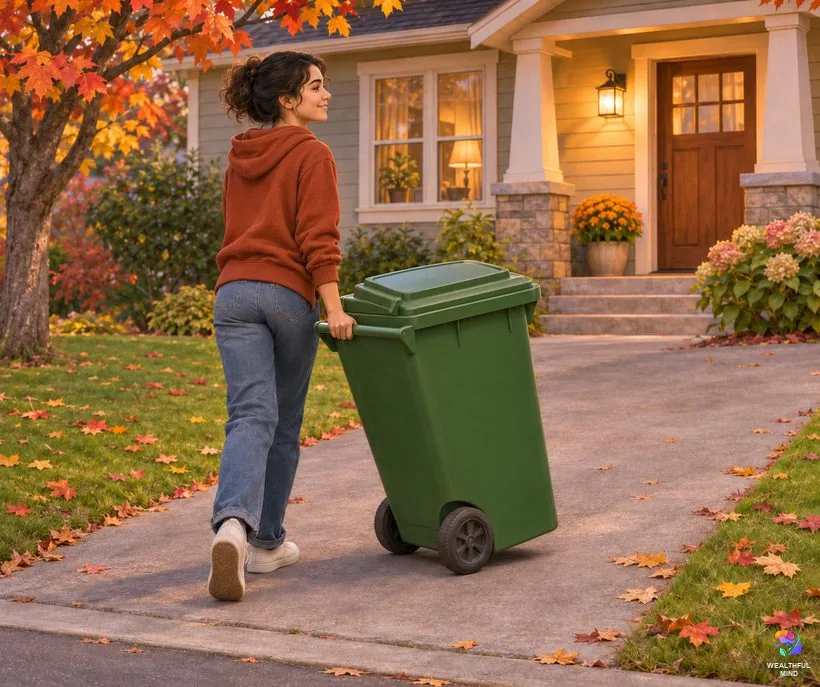
Neighbors are the people we see most and often know least.
- Bring in a neighbor’s trash cans or newspaper. It takes a couple of minutes and saves them a chore on a busy day.
- The Random Acts of Kindness Foundation suggests being a friend to a lonely neighbor.
- The Mental Health Foundation suggests offering to pick up groceries for an elderly neighbor.
- Share extra tomatoes or vegetables from the garden.
- Return a borrowed dish with something tasty in it.
The first two are easiest when you are going out anyway, and a regular chat over the fence often matters more than the groceries themselves. That’s how a street slowly turns into a neighborhood.
Online Acts of Kindness

Online, kindness is mostly about what we choose to add to a feed and what we choose to leave out of it.
- Write only positive comments online for a whole day. It’s harder than it sounds, and most of us notice how often we were about to type something else.
- Send a short message to a creator or writer whose work helped you. It takes a minute, and many of them rarely hear such appreciation.
- Answer a beginner’s question in a forum you know well.
- Share a friend’s small business or artwork.
- Stay out of a pile-on.
Kindness for Family and Friends

Strangely, the people closest to us often get the least of our deliberate kindness, because we assume they already know how we feel.
- The Mental Health Foundation suggests calling a friend you haven’t spoken to for a while, which is easy to put off and lovely to receive.
- Offer to babysit for a friend with young children so they can sleep or shop for a few hours. It is a wonderful gift of time.
- Do the chore nobody wants without being asked.
- Remember the morning of a friend’s interview or exam and send a good luck text.
- Tell a sibling one thing you admire about them.
- Send an old photograph to the friend who is in it. It says “I thought of you” without any explanation, and it’s a small favorite of ours.
What Kindness Does for You, Briefly
The research on this is more modest than social media suggests, so we have kept to the three findings we consider strongest.
Greater Good in Action, from UC Berkeley, describes a study in which people who did five acts of kindness a week for six weeks became happier, but only when they did all five on a single day. It is one study, and we hold it lightly.
Researchers at the University of Texas at Austin found that people doing a small kindness expected the other person’s mood to reach 2.7 on a scale from minus five to five, while the people receiving it reported 3.5.
UC Berkeley’s Greater Good Science Center, reporting on that research, notes that in every experiment the givers underestimated how much happier the recipients would feel.
The lead researcher on an Ohio State University study put it simply, saying social connection is closely tied to well-being and that acts of kindness seem to be one of the best ways to build it. For the bigger picture, our piece on why kindness is important goes through the reasons thoroughly.
Try Five Acts in One Day

Greater Good in Action suggests a simple practice, which is to choose one day this week and do five acts of kindness on that same day, big or small, and preferably different kinds.
Greater Good also suggests writing down what you did after each one, in a sentence or two, and adding how it felt if you want more out of the exercise.
We would choose this over a month-long kindness calendar. It’s one day, it’s the version the study above actually tested, and you get to finish it, which a long calendar rarely allows a busy person.
Here is what such a day might look like for a student. A cup of tea made for a roommate, a classmate’s notes photocopied, the door held at the library, a positive comment on a friend’s post, and a call to a grandparent in the evening.
Greater Good also warns that kindness can start to feel routine, so the trick is to keep looking for new ways and new people to help. Next time, swap at least two of the five for something completely different.
A Seven Day Kindness Week
If one day goes well, a week is the natural next step, and it fits Random Acts of Kindness Week in mid February. Here is a simple plan to copy, with one act a day.
| Day | One act |
|---|---|
| Monday | A thank you, by name |
| Tuesday | A note left on a desk |
| Wednesday | The call you keep putting off |
| Thursday | Only kind comments online |
| Friday | Snacks for the delivery driver |
| Saturday | A chore for a neighbor |
| Sunday | Something for family, unasked |
On Sunday evening, look back at your notes and keep the two acts that felt most natural for another week. The rest can be swapped for something different from the lists above.
Keep It About Them, Not You

AskReddit has a whole thread asking people for acts of kindness that completely backfired, which tells us plenty of us genuinely worry about getting this wrong. Most of the backfiring comes from one place, which is help that was pushed on somebody instead of offered. So ask first.
“Can I help with that?” leaves the other person completely in charge, and a polite no deserves a cheerful “no problem” and nothing more.
Another AskReddit thread asks what happened to anonymous acts of kindness, and it is a reasonable question. We follow what we call ‘the quiet rule’, which says that if you are filming it for likes, it has become about you, so the phone goes away.
Many people believe that what we give out comes back to us in some form, an idea we explore in our piece on the law of compensation. However, kindness done while keeping score rarely feels kind to the person receiving it.
A good place to start, if you are stuck, is the question people on AskReddit keep asking each other. What small kindness were you once shown that you have never forgotten? Think of yours, then do the same thing for somebody else this week.
○ What to Write in a Kindness Note
A kindness note needs only what the person did, why it mattered to you, and nothing requested in return. “You made yesterday’s meeting so much easier. Thank you.” is plenty.
For a card with no particular reason behind it, something like “Thinking of you today, I hope it’s a good one” works for almost anyone. Handwriting beats a typed message every time, mostly because it shows you stopped everything else to write it.
○ When You Are Too Tired to Be Kind
Some weeks, kindness feels like one more obligation on the list. On those weeks, shrink it to one text or one sincere thank you, and let that be enough.
When someone close to you is going through something heavy, small acts may not be what they need, and our guide on how to be there for someone in need covers that bigger kind of help.
If giving starts to feel like it matters more than you expected, our piece on serving others looks at kindness as a purpose.
A kind thought helps nobody until it leaves your head!
Frequently Asked Questions About Random Acts of Kindness
What are some examples of random acts of kindness?
Thanking a cashier or bus driver by name, leaving an encouraging note on a coworker’s desk, offering to take a group’s photo so everyone is in it, bringing in a neighbor’s trash cans, and calling a friend you have not spoken to for a while. Most take a few minutes and cost nothing.
What are 10 ways to show kindness?
Say thank you by name, listen without rushing to fix things, let someone go ahead of you in line, hold a door, give a specific compliment, invite a left-out person into the conversation, help a neighbor with a chore, write a kind note, leave only positive comments online, and check in on a friend. Pick the one that suits your day.
What are the types of acts of kindness?
Most fall into five kinds: kind words, time and attention, practical help, small things you make or bring, and including someone who is being left out. People usually find one or two kinds easier than the rest, and any of them counts.
What should I write in a kindness card?
Say what the person did, why it mattered to you, and ask for nothing back. A line like “You made yesterday so much easier, thank you” or “Thinking of you today, I hope it’s a good one” is plenty, and a handwritten card means more than a typed one.
When is Random Acts of Kindness Day?
Random Acts of Kindness Day falls in mid February each year, with Random Acts of Kindness Week around it. Schools and workplaces often use that week for kindness challenges, but any week works just as well.
What is another word for an act of kindness?
A good deed, a favor, a kindness, a courtesy or a kind gesture all mean much the same thing. A good deed is the closest match for an act done for someone else with nothing expected in return.