We all go through seasons when life seems to happen to us rather than with us, and the words we choose for that feeling shape everything we do next. The victim of circumstance meaning is simple, a person who has suffered because of a situation they could not control, which is close to word for word how Oxford Learner’s Dictionaries defines it.
A victim mentality is something different, a habit of reading every situation that way. Unlike a circumstance, a habit can change.
Quick pick
Where Should You Start?
Tap the line that sounds most like you to jump to your part of the guide.
- Did someone really hurt you? Start here, it is not your fault
- Not sure if it’s you or the people around you? Use the toxic or me test
- Ready to drop the habit? Try the seven ways out
- Worried about someone you love? Read how to help them
- Feeling hopeless or unsafe? Find help lines now
Keep reading below The meaning Circumstance vs mentality The signs Where it comes from Questions

This guide sits with our other self-help reads, and it is written for two readers at once, the one who was genuinely dealt a bad hand and the one who suspects they have started living inside that hand.
Quite often, those two are the same person on different days.
What Does Victim of Circumstance Mean?
The phrase describes what happened, not who someone is. A worker who loses her job when the whole factory shuts down, a family whose home floods, a student whose exams fall in the same month as a death in the family, each of them is a victim of circumstance, because no choice of theirs caused the trouble.
The plural works the same way, so “victims of circumstances” and “a victim of circumstance” mean one and the same thing. We also hear “a victim of time” or “a victim of the system”, which simply swap in whatever did the damage.
What the phrase never says is that the person is weak.
If anything, it is a compassionate phrase, because it takes the blame off someone’s shoulders and puts it where it belongs.
○ Victim of Your Own Circumstances
This version is trickier. People usually call someone “a victim of their own circumstances” when the trouble came partly from their own choices, like a pile of debt after months of careless spending, and “don’t play victim to circumstances you created” is the blunt form of the same idea.
However, the phrase is used loosely, and sometimes it only means stuck in your own situation, with no blame intended at all. The fair test is to ask which part came from outside and which part came from ourselves, because most real problems are a mixture of both.
Victim of Circumstance vs Victim Mentality
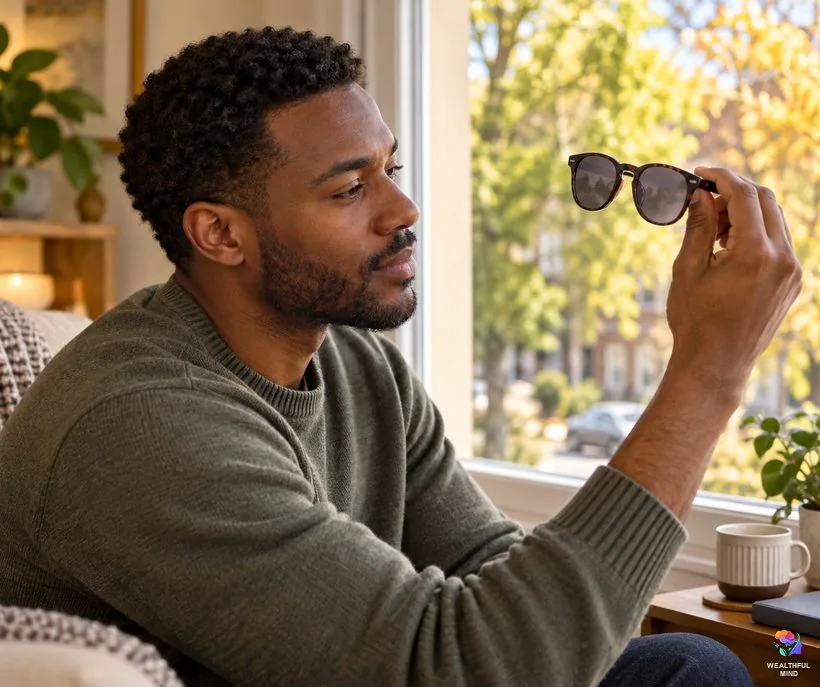
Being a victim of circumstance is an event; a victim mentality is a lens. The event happens once, whilst the lens colours every experience that comes after it, including the ones we could actually change.
Researchers have a name for the lens. Rahav Gabay and her colleagues call it the ‘tendency for interpersonal victimhood’, which psychologist Scott Barry Kaufman, writing about their work in Scientific American, describes as “an ongoing feeling that the self is a victim, which is generalized across many kinds of relationships.”
The key word is generalized. Not one unkind boss, but every boss, every friend and every group chat.
In the same Scientific American piece, Kaufman points out that the researchers do not treat living through trauma and having this mindset as the same thing. That one line matters more than anything else on this page.
If Someone Really Hurt You

If someone attacked, abused or seriously hurt you, you were a victim of what they did, and still hurting long afterwards is not a flaw in your thinking. The NHS lists physical or sexual assault and abuse among the experiences that can cause PTSD, or post-traumatic stress disorder, where distressing thoughts about what happened keep coming back.
So nothing below asks you to take the blame for harm someone else chose to do.
Healing from a real injury and dropping a habit of helplessness are two different jobs, and the first one deserves proper help, which we come back to in when to get support. Being tired of carrying everything is human, too, and our piece on being tired of being strong was written for exactly those weeks.
Signs of a Victim Mindset

A victim mindset, also called a victim complex or victim syndrome, usually rests on three quiet beliefs.
Bad things always happen to me and always will. Other people or circumstances are to blame. Nothing I do will change anything, so there is no point in trying.
When we are in pain, we want our suffering to be acknowledged, and that is fair. The trouble starts when the acknowledgement never feels like enough, and the old hurt becomes the story we tell about everything.
From the inside, it tends to look like this.
- Avoiding responsibility for our own choices, and getting defensive even when people try to help
- Lashing out in anger, or slipping into steady negativity
- Turning down chances because it won’t work anyway
- Harsh self-talk, low self-esteem and quiet self-sabotage
- Believing other people are always luckier than ourselves
○ The Four Parts Researchers Found
Gabay’s team broke the tendency for interpersonal victimhood into four parts, as Scott Barry Kaufman explains in Scientific American. These are a constant need for our victimhood to be recognised, a sense of moral elitism, little empathy for other people’s pain, and replaying old hurts again and again.
The fourth part, the replay, is the one most of us will recognise first.
Scientific American also describes three thinking habits the same researchers found feeding it. We read a mild or unclear remark as a serious offence, we assume the other person meant harm, and we remember the hurtful moments more easily than everything else.
○ How It Shows Up in Everyday Life
Picture a friend group chat where a plan gets made without us. The circumstance is small, a missed message, yet the victim lens turns it into proof that they never include us, nobody ever does, so why do we even bother?
People with this lens also tend to take things personally, even when a comment was never about them. Over time it can drift into self-focus that looks selfish from the outside, though from the inside it mostly feels like being on guard all the time.
○ Is It Me, or Is It a Toxic Situation?
This is the worry people bring to Reddit again and again, and it deserves a straight answer. If one person keeps insulting you, frightening you or controlling what you do, the problem is their behaviour, not your mindset, and setting boundaries or leaving is the healthy move.
A victim mindset looks different. It shows up across many people and places, the same story with a different cast, and it stays even when the people around us are mostly kind.
Well, if every job, every friend and every teacher seems to be against us, it is worth asking what all those stories have in common.
Where a Victim Mindset Comes From
Nobody chooses this lens on purpose. Kaufman notes in Scientific American that an anxious attachment style was a particularly strong root of it in the research, and real victimisation in the past played a part too.
Healthline adds that victim mentality is not a formal medical term, so it describes a pattern rather than a diagnosis.
The hopeful part sits in the same Scientific American article, where the researchers note that victim beliefs, like any other belief, can be learned. What can be learned can be unlearned, slowly and with practice.
There is an older idea here as well. Psychologists Steven Maier and Martin Seligman, looking back on half a century of ‘learned helplessness’ research in Psychological Review, wrote that their original theory “got it backward”, because in their animal studies giving up after long distress was the default reaction, and what had to be learned was a sense of control.
We should not stretch animal studies too far, but the lesson for us is a kind one. Freezing after a difficult time is not a character flaw, and every small win teaches the brain that our actions still count!
7 Ways to Escape the Victim Mentality
The first step is not admitting we have a problem. It is noticing the lens without shame, the way we would notice a pair of tinted glasses we forgot we were wearing.
○ See Your Situation as Temporary
A victim lens turns every setback into a life sentence. However, situations in life keep changing, and a bad term, a bad job or a bad year is a chapter, not the whole book.
When something goes wrong, we can try adding two small words to the thought, “for now”. Nothing works out for me becomes this isn’t working out for me, for now, and suddenly there is room to look for something that might.
○ Stop Comparing Your Inside to Their Outside

Comparison is natural, but it is rarely fair. We set our worst days, which we know in full detail, against other people’s best moments, which we only see from outside, and then wonder why we always come second.
When the comparison starts, we can catch it, name it and bring the focus back to our own road, meaning what we did this week, what we are learning and what we would like to try next.
Being okay with being imperfect is a skill, and like every skill it gets easier with practice.
○ Check the Story Like a Detective
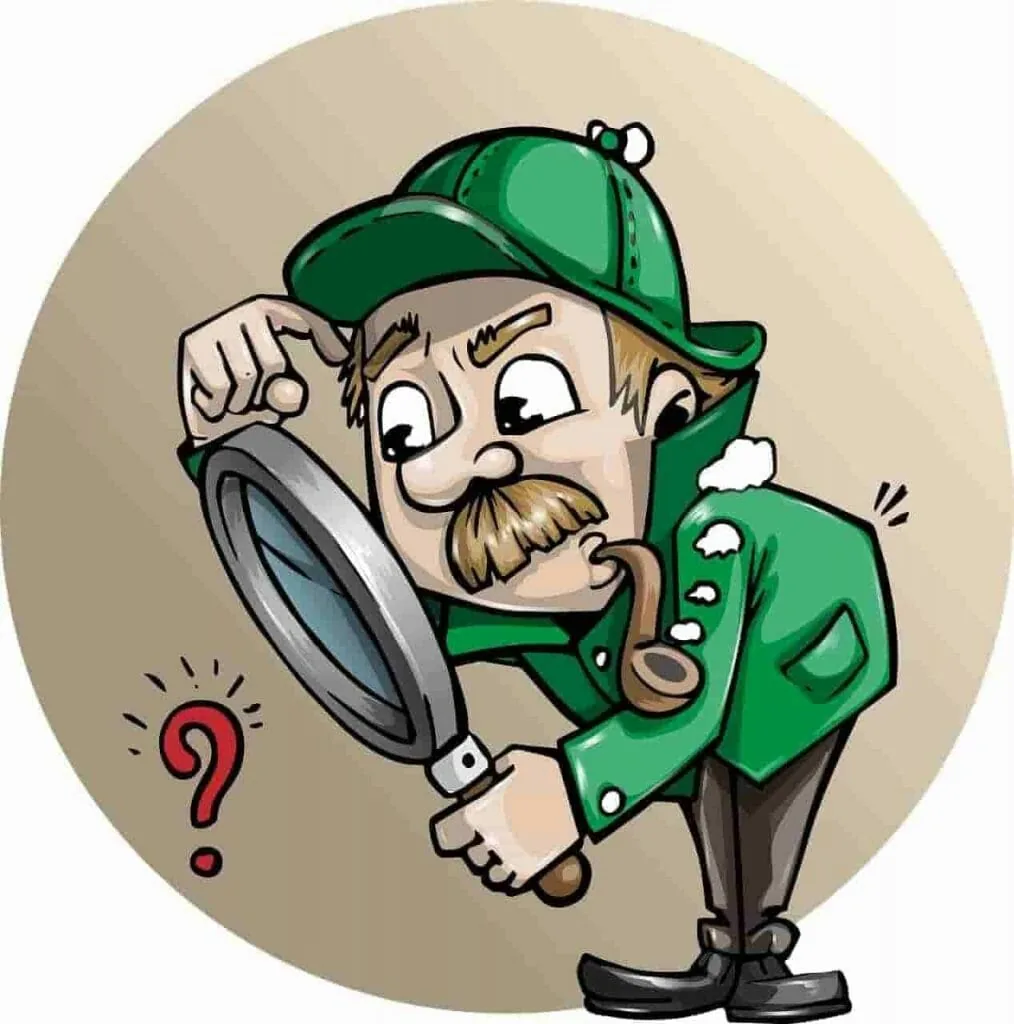
The NHS has a simple self-help method for unhelpful thoughts, summed up as “catch it, check it, change it”. The NHS suggests we step back, look at the evidence for the thought, ask how likely the feared outcome really is and whether there is good evidence for it, then swap the thought for a more neutral or more positive one.
Take my teacher hates me. The evidence might be one red mark and one sharp comment, whilst the same teacher praised our last essay, so a fairer thought is my teacher was strict about this assignment, which is something we can work with.
Our guide to perception checking walks through this in more depth.
○ Find the One Thing You Control
When we play victim, we hand all the power to other people and to the universe, and then feel powerless. But even in a difficult situation there is usually one small thing that belongs to us, such as how we reply to a message, whether we ask for help, or what we do in the next hour.
So we can ask ourselves, what is one thing I can do today? Not the whole fix, just the next step.
This is where a growth mindset and positive self-beliefs start to matter, because owning our choices, good and bad, opens new ways of thinking. Owning our choices never means owning harm someone else chose to do to us.
○ Rewrite the Story Without Rewriting What Happened
Some advice says everything happens for us, and that a painful experience is secretly a gift. We disagree, and nobody owes the world a thank-you note for being hurt.
What we can change is the role we give ourselves in the story. This happened to me, so my life is ruined and this happened to me, and here is what I am doing next describe the same past, yet only the second one leaves the door open.
On Reddit, one person who grew up in a cult and lives with PTSD put it like this: “It’s not your fault, but it’s your responsibility to heal.” We would add one thing, which is that responsible does not mean alone.
○ Notice What Is Still Good
A victim lens runs on ‘lack’, always pointing at what is missing. Gratitude is the opposite habit, and it does not mean pretending things are fine.
It means letting the good things count as well. Even in a rough week, there is usually something, a friend who checked in, a meal we enjoyed, a walk that cleared our head.
Most of us take the best things in life for granted, and noticing a few of them before bed is a small, honest start. If life feels heavy right now, our piece on why life sucks and how to turn it around picks up from here.
○ Journal Your Part, Not Your Blame

Writing things down moves thoughts out of our head and onto a page, where we can look at them calmly. In a small trial published in JMIR Mental Health, Joshua Smyth and colleagues gave adults with health conditions and raised anxiety 15 minutes of positive journaling online, three days a week.
The journaling group in that JMIR Mental Health trial reported less mental distress than when they started, and after the first month they also reported less anxiety than the people on usual care.
For the victim lens, one prompt works especially well. For a hurt that keeps coming back, we write what happened, what it made us believe about ourselves, and what our own part was, if any.
Sometimes the honest answer is none, and that is fine. Often it is something like I kept replaying it for years, and that part, at least, is ours to put down, and our shadow work prompts can take the exercise deeper.
Helping Someone Who Always Feels Like the Victim

When someone we love always feels like the victim, it is tempting to tell them so. However, the label rarely helps, because it sounds like an accusation and makes people defend the very story we hoped they would drop.
It works better to talk about one specific thing they said, and then ask what they would do if they did have some power in the situation. Listening first, then helping them find their own next step, beats fixing everything for them.
We are allowed to protect ourselves, too. If we are blamed for everything, it is fair to say so calmly and to step back for a while, whilst still caring about the person.
When to Get Support

Some hurts are too heavy for any self-help article, and that is not a failure. The NHS says to see a GP if you think you have symptoms of PTSD, and it notes that PTSD usually gets better for most people, with trauma-focused therapy among the treatments.
Outside the UK, any doctor is a good first person to tell.
If you are in danger, or thinking about ending your life, please reach out now. In the US, the 988 Lifeline takes calls, texts and chats, free, confidential and around the clock. In the UK and Ireland, Samaritans answer on 116 123, free and at any hour. In the UK, the NHS also lists Childline on 0800 1111 for anyone under 19.
In India, the Press Information Bureau announced the Government of India’s Tele MANAS line, 14416, as toll-free, open day and night, and in the language you choose. Find A Helpline lists free, confidential lines in other countries, and in an emergency, please call your local emergency number.
We can’t always choose our circumstances.
We can choose whether they get to choose everything else.
FAQ
What does it mean to be a victim of your own circumstances?
It usually means someone is suffering from a situation they partly helped create, such as debts from overspending or loneliness after pulling away from friends. People also use it loosely to mean stuck in your own situation. The useful question is which part came from outside and which part came from you, because that second part is the one you can work on.
What are the four types of victims?
There is no single official list of four types of victims. The four that self-help writers quote most come from research on the tendency for interpersonal victimhood: needing your victimhood recognised, a sense of moral superiority, little empathy for other people’s pain, and replaying old hurts. Crime research uses its own, different ways of sorting victims.
What personality type plays the victim?
No single personality type does. Research on the victimhood tendency found that an anxiously attached style, where you constantly worry about being rejected, was a strong root, and real hurt in the past played a part too. Anyone can slip into the habit after a hard stretch, and anyone can learn their way out of it.
How do you shut down a victim mentality?
You don’t switch it off in one go; you wear it down with small habits. Catch the thought, check the evidence for it, and swap it for a fairer one. Then pick one thing you can control today and do it. Journaling your own part in old hurts, never the harm someone else chose, helps the change stick.
Is victim mentality a mental illness?
No. Victim mentality is not a formal diagnosis; it is a name for a pattern of thinking. It can sit alongside real conditions such as depression or PTSD, though, so if you keep reliving something painful or feel hopeless most days, a doctor or therapist is the right next step.