
7. Bay Leaf
Quick pick
Which Protection Herb Fits Your Worry?
Tap the line that sounds most like you to jump to your match.
- Want to protect your front door? Start with rosemary
- Worried about the evil eye? Read about rue and tulsi
- Have a cat, asthma or a no-candles rule? Use a smoke-free way
- Want calm and better sleep at home? Try lavender
- Need courage for a hard day? Carry thyme
- Pregnant or have pets? Check the safety notes first
Keep reading below The 9 holy herbs All 20 herbs How to use them Other purposes Stay safe Questions

9. Mint Leaf
What Are Herbs for Protection?

A protection herb is any plant you trust to keep harm out. The harm can be a jealous glance, a run of bad luck, nightmares or simply a heavy feeling in a room.
Most of these herbs earned the job in a very ordinary way. They smelled strong, they grew by the door and they kept bugs and rot away.
Over time, people decided they kept other things away too.
So a protection herb is part memory, part habit and part hope. That is also why you will see different lists in different places.
○ What Are the 9 Holy Herbs?
When you see people ask about the nine holy herbs, they usually mean the Nine Herbs Charm. Wikipedia describes it as an Old English charm recorded in the tenth century, kept in a manuscript called Harley MS 585 at the British Library.
3. Chamomile
Two of those nine have their own posts on our site, mugwort and chamomile. So when you work with either one, you are using a plant that people in Anglo-Saxon England already trusted.
○ Where Today’s Protection Lists Come From
Many protection lists you find online, with their long tables of planets and powers, trace back to Scott Cunningham’s Encyclopedia of Magical Herbs. Its publisher, Llewellyn, describes it as covering the magical uses of over 400 herbs and plants.
That book gathered folklore from many places and gave each plant a neat list of uses. It is a useful starting point, and many witches keep it on the shelf.
But the neat lists are modern. Old traditions rarely agreed with each other.
So if one site says lavender protects and another says it is only for love, neither is wrong. Your own practice decides which meaning a herb carries for you.
20 Herbs for Protection and How Each One Is Used
Here are the protection herbs you are most likely to meet, starting with the eleven we have written about in full. Each one comes with the way it is traditionally used and anything you should know before you bring it home.
○ Lavender

Lavender is the soft guardian on this list. You use it to protect the peace of a home rather than to fight anything off.
So you will find it in sachets for linen drawers, in pillows and in the corners of a bedroom where arguments keep happening. On Reddit’s r/BabyWitch, the most upvoted answer to a question about favorite protection herbs was simply that lavender does not get enough love (we agree).
Tuck a small bag of dried buds into your pillowcase, or hang a bunch upside down by your bedroom door. Read more in our guide to lavender magical properties.
○ Rosemary

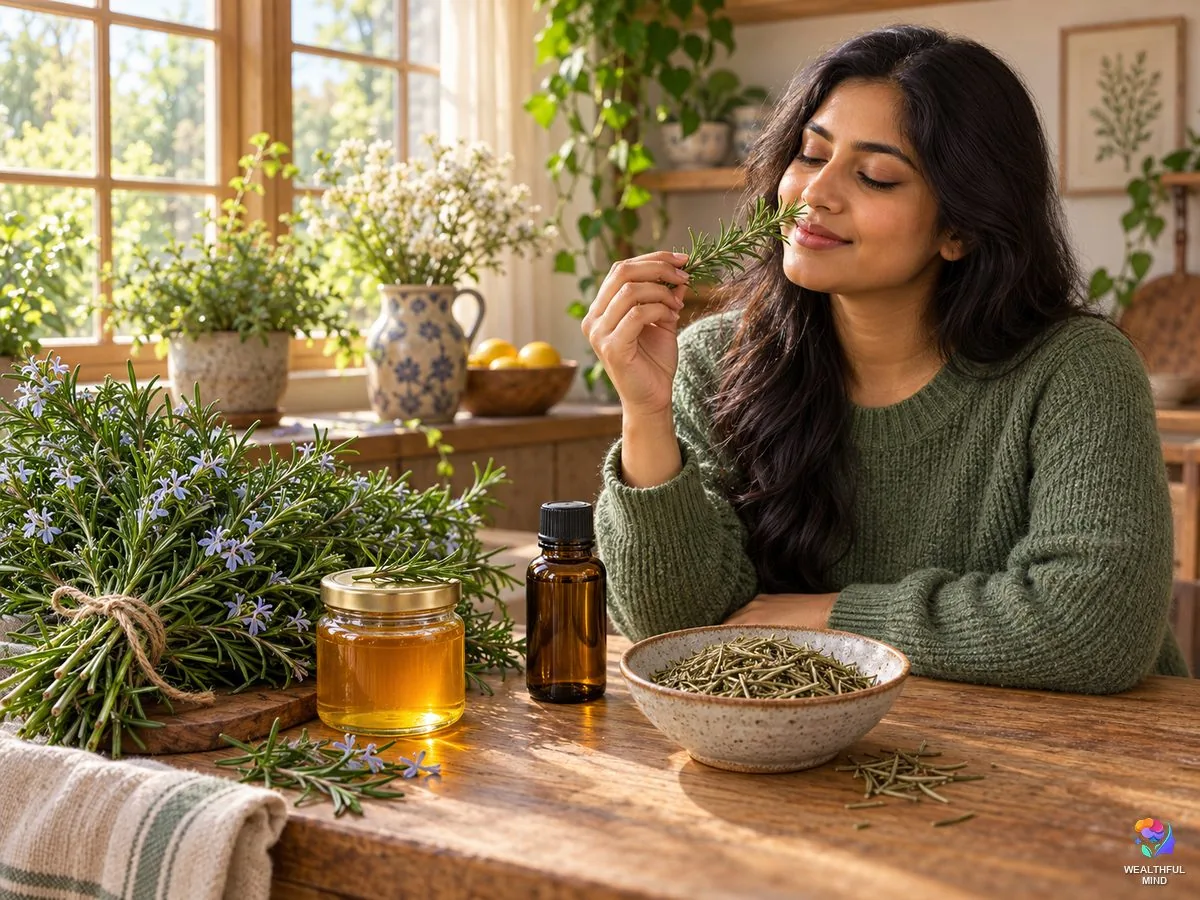
If you only buy one protection herb, we think it should be rosemary. It is cheap, it grows almost anywhere and nearly every tradition that uses herbs for protection names it.
Old European households planted rosemary by the front door. They tucked sprigs into wedding bouquets and laid them in coffins, so the herb guarded both the living and the remembered.
You can hang a sprig over your door, add dried rosemary to salt for the doorstep, or burn a small bundle to clear a room after a bad day. Its love, memory and household lore are in our post on rosemary magical properties.
○ Chamomile

Chamomile is the gentle cleanser. In folk practice it washes away bad luck and keeps a calm, protected feeling in a space.
In hoodoo, some people even rinse their hands in chamomile tea before a game of chance.
For protection, brew a strong pot of the flowers and let it cool. Pour it into a bucket of water and mop the floor just inside your front door (you do not have to drink it for it to count).
Our full guide to chamomile magical properties covers its prosperity and sleep uses.
○ Thyme

Thyme is the courage herb, and courage is its own kind of protection. Carry a sprig on a day when you feel small, or burn a pinch before a hard conversation.
It also makes a good door bundle when you mix it with rosemary. Our post on thyme magical properties tells the old stories behind its link with bravery.
○ Mugwort

Mugwort leads the list of the Nine Herbs Charm. In European folklore, travelers tucked it into their shoes so the road would not wear them out, and people hung it over the door on Midsummer Eve.
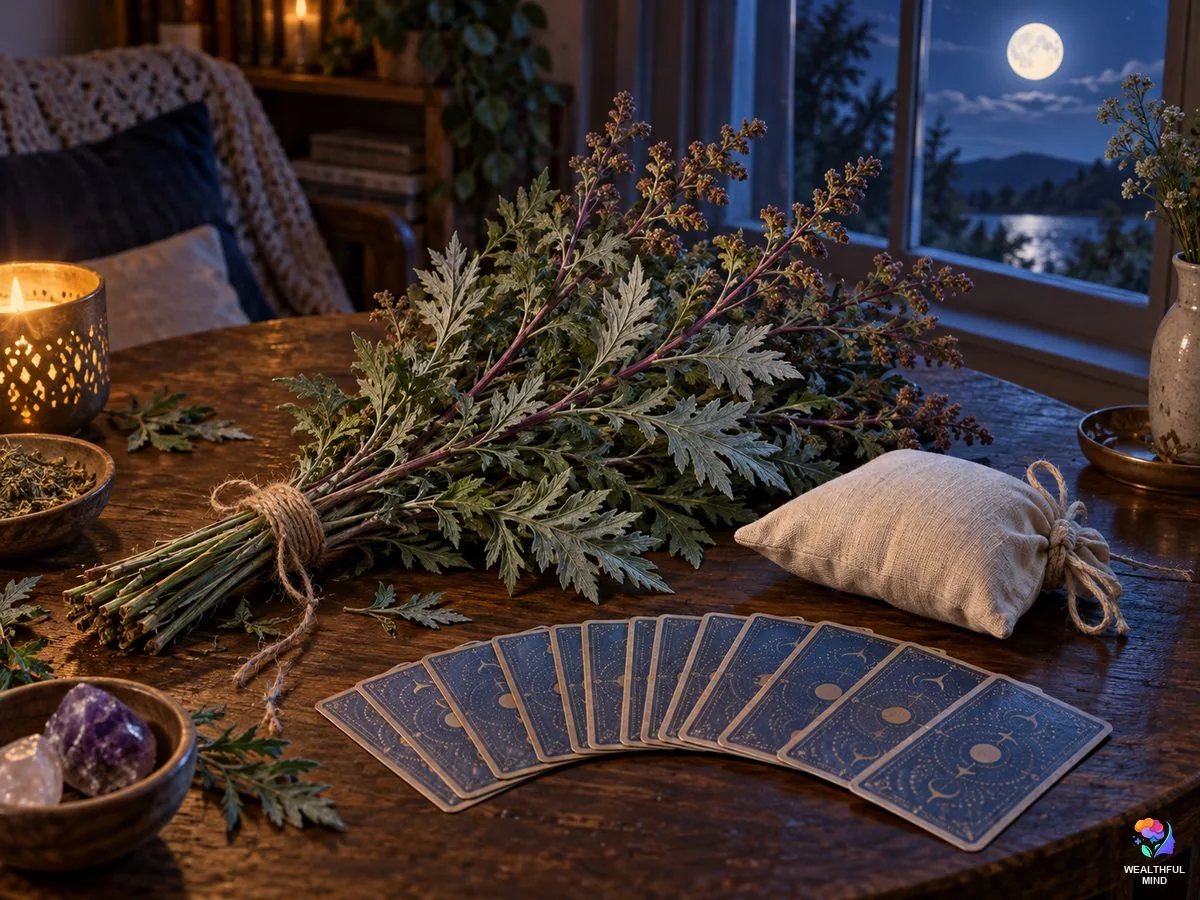
Today it is mostly linked with dreams and the night side of protection. You can put a little in a dream pillow to guard your sleep or hang a dried stalk over your bedroom door, and many followers of the goddess Hekate keep it on their altars.
Mugwort needs real care, which we cover in the safety section below. Its spiritual uses are in our post on mugwort magical properties.
○ Holy Basil (Tulsi)

Holy basil, or tulsi, is the household guardian of India. Marc Cohen’s review in the Journal of Ayurveda and Integrative Medicine notes that tulsi is worshipped as a goddess in Hinduism, and that Hindu households are considered incomplete without a tulsi plant, usually in a courtyard pot.
Families water it and light a lamp beside it, and many believe the plant guards everyone who lives in the home.
If you want to bring that idea into your own space, keep a living pot by your entrance or on a sunny windowsill. Read more about its place in daily worship in our post on holy basil magical properties.
○ Bay Leaf

Bay is the herb of victory. Ancient Greeks crowned winners with laurel, and Roman tradition held that laurel kept lightning away, so bay became a protector as well as a prize.
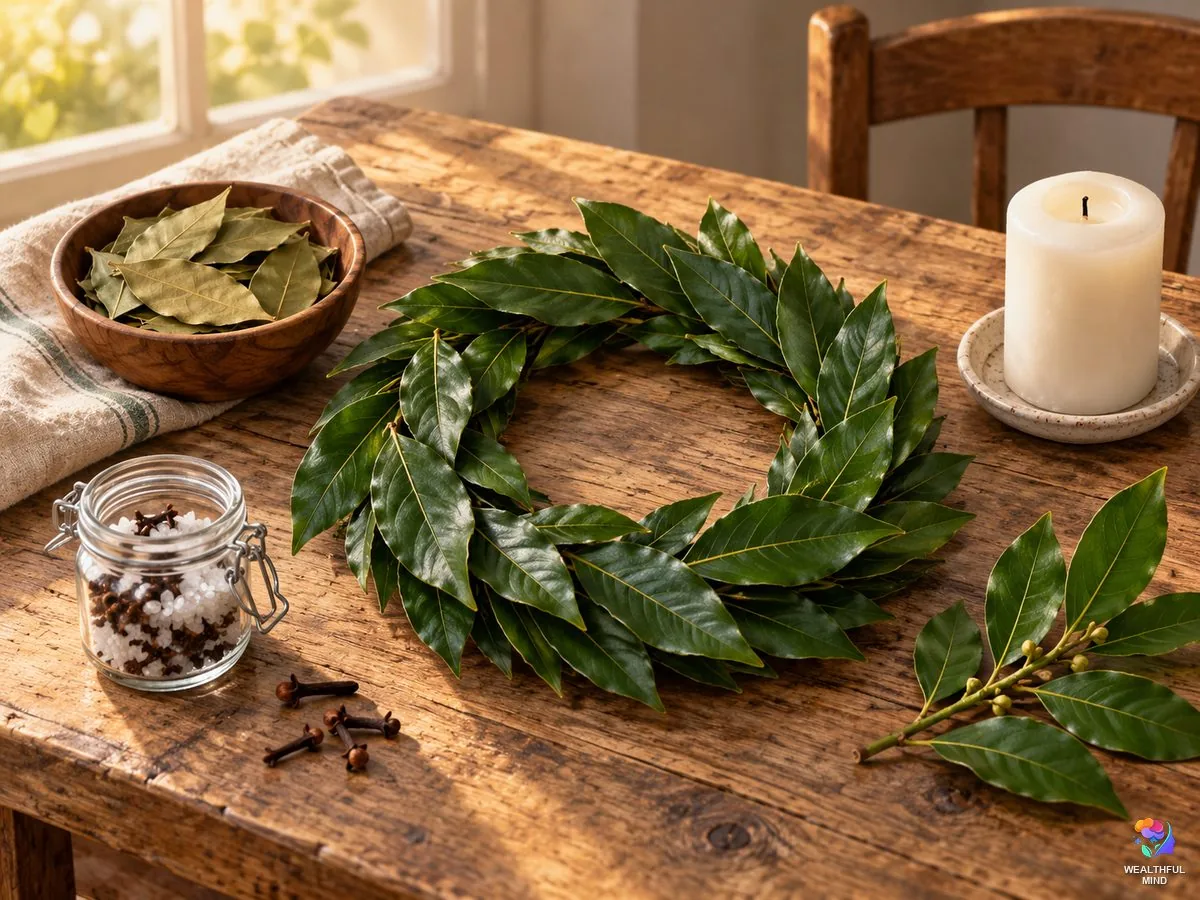
Keep a dried bay leaf in your wallet or phone case, or pin a few leaves above your door. You can also write a word of protection on a leaf and keep it by your bed, or burn it, as in our bay leaf manifestation ritual.
Our full guide covers more bay leaf magical properties, from peace to triumph.
○ Calendula

8. Calendula
A small jar of dried petals by your front door is an easy modern version. Learn about its luck and wealth side in our post on calendula magical properties.
○ Mint
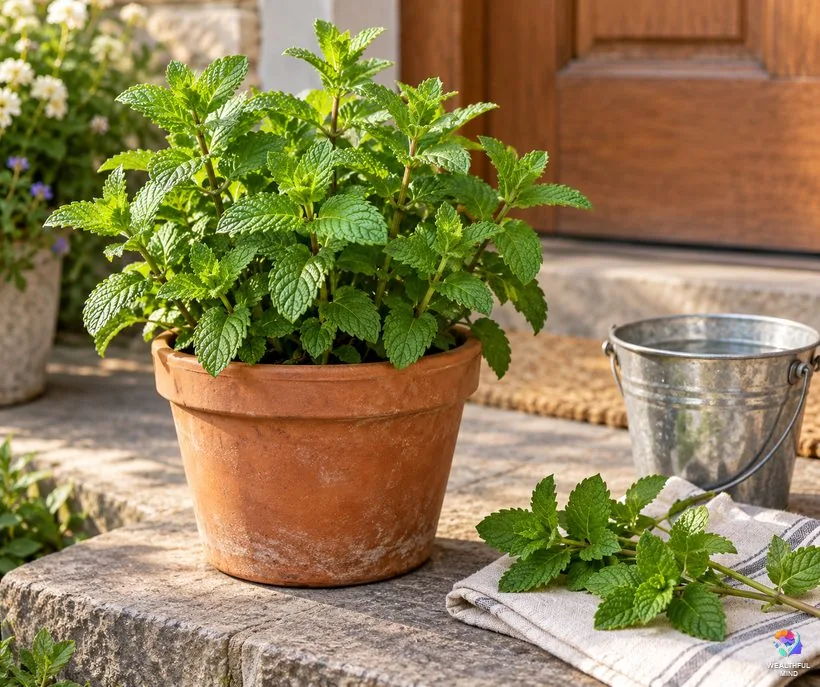
Mint is a fresh, sharp guardian. Peppermint goes into floor washes and sprays to clear out heavy energy, and one kitchen witch on Reddit named mint among her three picks for a front door charm.
Drop a handful of crushed leaves into your mop bucket before you clean the hallway, or keep a living plant on the step. Our mint leaf magical properties post covers its money and healing lore.
○ Oregano
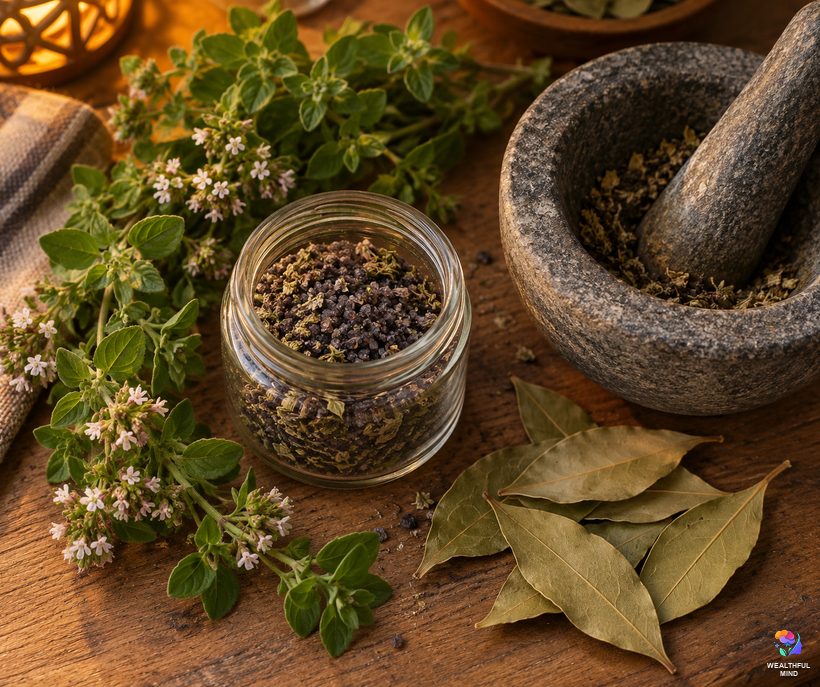
10. Oregano
For protection, it is a quiet kitchen herb. Add a pinch to a protection jar or your homemade black salt, and let it guard the peace inside your home rather than stand at the gate.
You will find more in our post on oregano magical properties.
○ Ginger

Ginger is fire. You do not usually use it alone for protection.
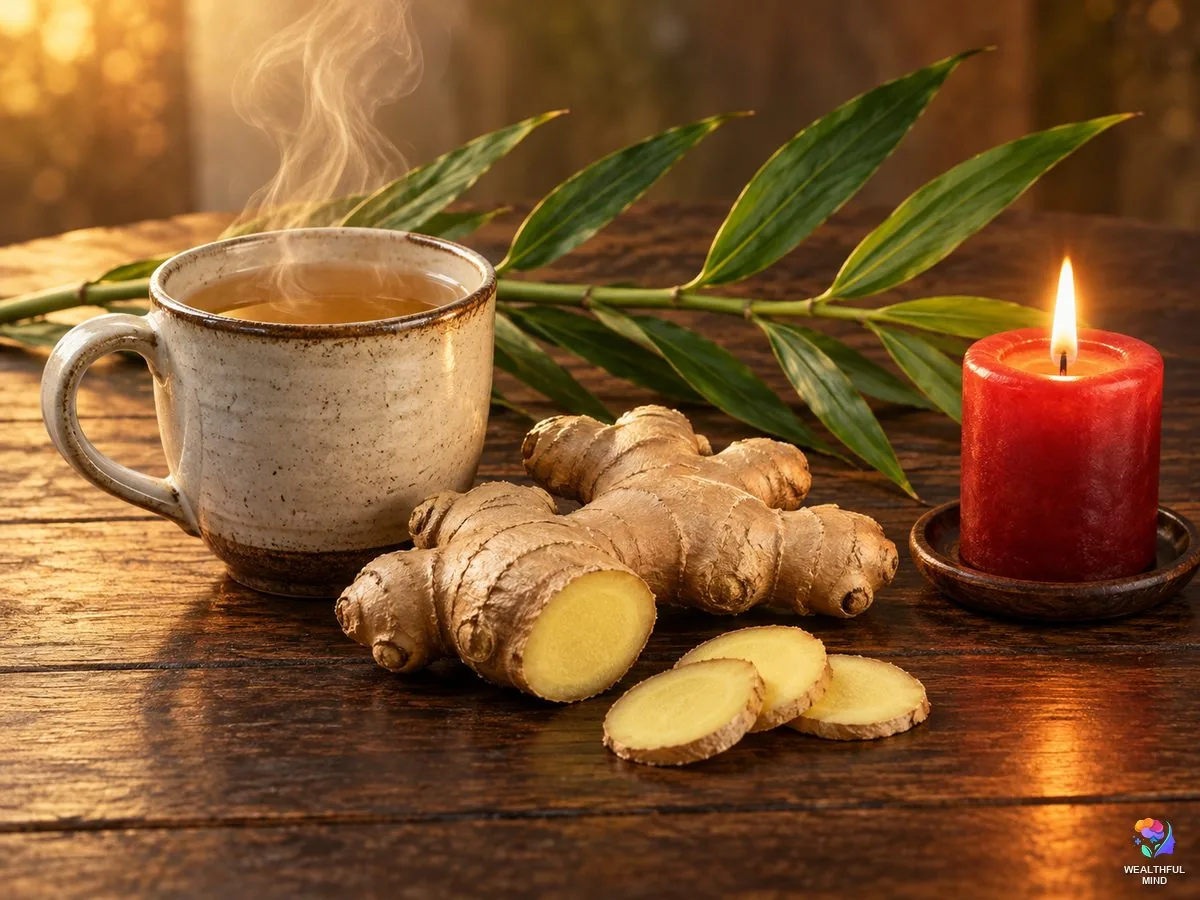
Instead, you add it to a jar or a protection oil to make the other herbs work harder, the way a pinch of ginger wakes up a whole pot of soup. Many “fiery wall” protection recipes shared online pair it with cinnamon and black pepper.
Read more in our guide to ginger magical properties.
○ Nine More Herbs Practitioners Reach For
These protection classics do not have their own posts on our site yet, but you will meet them in almost every list.
Garlic. The best known of all. Braids of garlic hung in kitchens for luck long before vampire stories made it famous, and many witches still keep a bulb by the door.
Rue. The evil eye herb of the Mediterranean. The Science Museum Group holds a Naples amulet made between 1800 and 1850, a small hand clutching a sprig of rue, and notes that rue was believed to protect against the evil eye and to guard children, childbirth and fertility.
Rue can hurt you, so read the safety section before you touch it.
Sage. Garden sage and white sage are both burned for cleansing. White sage grows wild in California. United Plant Savers warns that it has no legal protection in the U.S. and is easy to overharvest to the point of killing the plant, so it asks you to choose cultivated sage over wild-picked bundles.
Smudging is the other word you will meet. It belongs to Indigenous ceremony, so many non-Native practitioners call what they do at home “smoke cleansing” instead, and we think that is a respectful choice.
Juniper. In the Scottish Highlands, people burned juniper to cleanse the house at New Year. Today the berries go into jars and sachets, and a sprig hangs over the door.
Rowan. “Rowan tree and red thread” is an old Scottish charm against witches and bad luck. A small cross of rowan twigs tied with red thread is still a favorite door charm.
Angelica. Named for the angels, this tall herb was once called the root of the Holy Ghost. You can keep a little dried root in a pouch for a quiet, guarding presence.
Cinnamon. A warm protector that also brings luck. That is why so many people blow cinnamon through their front door at the start of each month, a TikTok trend that spread far beyond witchcraft.
Black pepper and cayenne. These are the “go away” spices. A little goes into black salt or a banishing jar when something needs to leave, not just stay out (wear gloves with cayenne, and keep it away from your eyes).
Sweet basil. The everyday basil in your kitchen has its own protective lore, separate from tulsi. A pot on the windowsill is said to keep quarrels out of the house.
And then there is salt. It is not an herb, but it is the partner most herbs are mixed with, from a line across the doorstep to the black salt many witches make from salt and the ashes of burned herbs.
How to Use Herbs for Protection and Cleansing
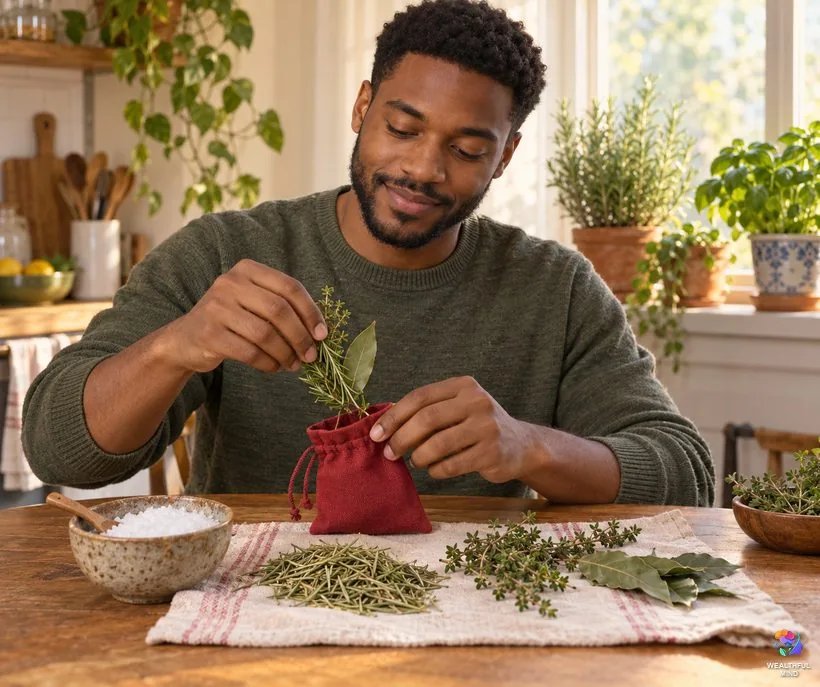
You do not need a shop or a long ritual. A popular r/witchcraft post put it well, saying folk magic has always used what was at hand.
So start with what is already in your kitchen.
The method matters less than the moment you give it. Say out loud what you are protecting and from what, and you have done the most important part.
○ Over the Door and on the Doorstep
The doorway is where protection magic starts in almost every tradition. It is the place where outside becomes inside.
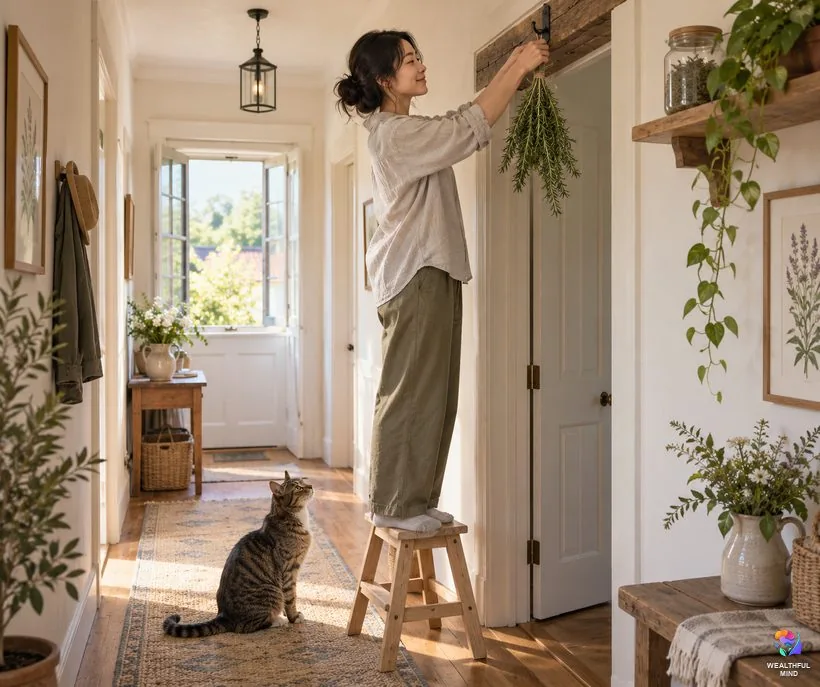
- Hang a bundle. Bind a few sprigs of rosemary, bay or rowan with cotton thread and hang the bundle over the inside of your front door or your bedroom door.
- Fill a little jar. Mix salt with dried rosemary, a bay leaf and a pinch of black pepper, close the lid and set it on a shelf by the door.
- Wash the step. Brew rosemary, mint or chamomile like a tea, pour the cooled brew through a sieve into your cleaning bucket, and scrub the front step and the door handle.
- Grow a guardian. A living pot of rosemary, tulsi or sweet basil by the entrance protects for as long as you keep it alive (and it smells wonderful when you brush past).
○ A Protection Pouch to Carry
A pouch is for the times you need protection away from home. Think of a new school, a hard week at work or a long trip.
- Choose a small cloth bag. Red or black is traditional for protection, but any color you like is fine.
- Add three herbs that speak to you, for example rosemary for protection, thyme for courage and a bay leaf for victory.
- Add a pinch of salt to hold it all together.
- Hold the pouch and say what it is for, in your own words. “Keep me safe today” is enough.
- Tie it closed and keep it in your bag or pocket.
If you want words that feel bigger, whisper a short prayer to the Universe over the pouch before you tie it. You can borrow one from our universe prayers.
○ Smoke-Free Protection for Pets, Asthma and Rented Rooms
You may not be able to burn anything at all. Maybe you have a cat, someone at home has asthma, your landlord or dorm forbids it, or there is already wildfire smoke outside.
In one recent r/witchcraft thread, a member with cats asked exactly this. The answers were practical.
- Sound. Ring a bell, use a singing bowl, clap in the corners or simply hum.
- Salt water. Spray a little salt water in the corners of a room, or set a bowl of salt by the door.
- Plain cleaning. Dust, sort the clutter and wash the floor with intention. As one member joked, most stuck energy turns out to be dust bunnies.
- A dried herb bowl. Put rosemary and bay in a dish and stir them with your fingers when the room feels heavy.
The same thread had two warnings worth repeating. If you have a cat, check that any scented water you buy is free of essential oils.
And keep bleach out of your cleansing bucket if it already holds vinegar or an ammonia cleaner. Health Canada warns that bleach reacts with ammonia or any acid, vinegar included, to give off toxic gases that can burn your eyes, make you light-headed and even kill.
○ If You Do Burn Herbs
Smoke cleansing is old and lovely, but smoke is still smoke. A 2008 review in Clinical and Molecular Allergy found that incense smoke carries fine particles and gases that harm the airways, and its authors advise you to ventilate your home whenever you burn incense.
So open a window, burn a small bundle for a short time, and put it out in a fireproof dish of sand or salt. A smoldering bundle deserves the same care as a candle. The Los Angeles Fire Department says to keep a flame a full foot (12 inches) away from anything that could catch, out of reach of children and pets, and never alone, so snuff it out whenever you walk away or head to bed.
Dried herbs flare easily. If you roll a candle in herbs, expect sparks, and keep the candle on a plate away from curtains and paper.
○ When to Refresh Your Herbs
You may wonder whether protection herbs wear out. Most practitioners replace a door bundle or a pouch when it turns brown and crumbly, at the new moon, or whenever it no longer feels right.
You do not have to throw old herbs in the trash if that feels wrong to you. Many witches bury them in the garden or compost them, as a small thank you for their work.
Herbs for Protection From Evil and the Evil Eye

If you are worried about something darker, like the evil eye, a curse or a presence that frightens you, folk tradition reaches for the strongest-smelling plants. Rue is the classic answer around the Mediterranean, garlic across Europe and tulsi in India.
Practitioners say that evil spirits dislike the same things that keep a house healthy. Strong scents, light, salt and a home that is clearly cared for are the old toolkit.
So you might keep rue or garlic by the door, salt at the threshold, rosemary smoke through the rooms and a lamp burning in the evening.
Many people combine herbs with symbols from their own background, like a blue nazar bead, an Italian cimaruta charm, a cross or a prayer. There is no rule that says you must pick only one.
○ When the Trouble Is a Person
Sometimes protection really means protection from someone. It might be a bully, a cruel neighbor, an ex or a family member.
Herbs can be part of how you take your power back. But a jar by the door cannot stop someone who is actually hurting you.
If a person threatens you, follows you or harms you, tell a trusted adult, a teacher or the police, and keep yourself physically safe first.
For the everyday kind of drain, like the classmate who always complains or the friend who leaves you exhausted, our guide on habits to protect your peace pairs well with a pouch in your pocket.
Herbs for Other Purposes
Protection is only one job these plants are given. If you came here looking for something else, here is where each one shines and where to read more.
- For cleansing, use rosemary for smoke and floor washes, or mint for fresh sprays.
- For peace and sleep, try lavender under your pillow, a calm cup of chamomile, or oregano for letting go.
- For luck and money, keep bay leaves in your wallet or grow calendula for sunny success.
- For courage, carry thyme before a hard day.
- For love, reach for lavender and rosemary, both old wedding herbs.
- For dreams and intuition, work with mugwort or bay.
- For energy and power, add ginger to warm up any spell.
- For devotion and a blessed home, keep holy basil, the plant at the center of the courtyard.
Keeping Protection Herbs Safe
Protection herbs should protect you, so a few honest cautions belong here. Most of the magic in this guide never goes near your mouth, and that is the safest way to keep it.
Anything you swallow beyond normal cooking amounts is a different matter. NCCIH, the US government’s center for research on complementary health, says supplements can be risky with certain health conditions, can clash with medicines, and in many cases have never been studied in pregnant or nursing mothers or in children. So ask a doctor or pharmacist before you drink strong herbal teas every day, especially if you take medicine.
Rue is the one herb here that nobody should swallow. The University of Texas at El Paso’s herbal safety sheet says modern herbal medicine has dropped it because it is toxic, and warns against taking it by mouth in pregnancy, while breastfeeding, in small children or in older people. It also notes that rue on your skin can cause a serious rash once that skin meets direct sunlight. So wear gloves when you handle fresh rue, and wash your hands before you go outside.
Pregnancy and breastfeeding call for two more cautions. RxList rates mugwort as likely unsafe for pregnant women and advises avoiding it while breastfeeding. NCCIH says sage is likely safe in food amounts but may be unsafe in pregnancy because of a compound called thujone, and that little is known about sage while breastfeeding. If either applies to you, let mugwort and rue stay on the wall as dried bundles and keep sage to the cooking pot.
Allergies are the last thing to check. NCCIH says chamomile is more likely to cause a reaction if ragweed, chrysanthemums, marigolds or daisies already give you allergies. Mugwort comes from that same daisy family, and RxList adds birch, celery and wild carrot allergies as reasons to be careful with it.
○ Protection Herbs and Your Pets
If you share your home with a cat or a dog, choose your door herbs carefully. The ASPCA lists lavender, chamomile, oregano, mint, bay laurel and garlic as poisonous to cats, dogs and horses alike, and garlic can even damage red blood cells.
The good news, from the same ASPCA plant list, is that rosemary, thyme and sweet basil are non-toxic to dogs and cats. So a rosemary bundle high above your door suits most homes, and anything toxic belongs in a closed jar or pouch out of reach.
Oils are the bigger worry. The Ontario SPCA explains that cats’ livers lack an enzyme needed to break down essential oils, advises against oil diffusers in homes with birds, and suggests you ask your vet before using either.
If your pet eats something on this list, call your vet straight away. In the US, the ASPCA’s poison line at (888) 426-4435 is open day and night, though a consultation fee may apply.
Does Protection Magic Actually Work?
We will be honest with you. There is no study showing that a plant can stop a curse, a spirit or bad luck, and nobody can promise you that a bundle of rosemary will keep harm away.
But that does not make the practice empty. Hanging herbs by your door is a small act of care for your home, and it gives you a moment each day to notice how safe you feel.
Many people find that this kind of ritual helps them feel calmer and braver, and that feeling shapes how they act. Enjoy it as a practice of belief and attention, and keep real safety (locked doors, trusted people, a doctor when you are unwell) right beside it.
Keep One Herb by Your Door
You do not need all twenty. Pick the one that made you smile while reading, maybe a sprig of rosemary or a dried bay leaf, and give it a place by your door tonight.
Every time you walk past it, let it remind you that your home is yours.
You get to decide what comes in.
Herbs for Protection: Your Questions
What is the strongest herb for protection?
No tradition ranks protection herbs, so there is no single strongest one. Rue and garlic are the herbs people reach for when they feel something needs driving out, and rosemary is the most useful all-rounder, because it suits a door bundle, a pouch, a floor wash and a smoke cleanse. If you can only choose one, we suggest rosemary: it is cheap, easy to grow and safe around cats and dogs.
What herbs do witches use for protection?
The herbs witches name most often are rosemary, bay, garlic, salt mixed with herbs, rue, sage, juniper, rowan, mugwort, cinnamon and black pepper. Most of them are already in a kitchen cupboard, which fits the old folk idea of using what is at hand. Many witches also make black salt from salt and the ashes of burned protection herbs.
Which protection herbs are safe around cats and dogs?
The ASPCA lists rosemary, thyme and sweet basil as non-toxic to cats and dogs, so they are the safest choices for an open bundle or a pot by the door. It lists lavender, chamomile, oregano, mint, bay laurel and garlic as toxic to pets, so keep those in a closed jar or pouch out of reach. Keep essential oils and burning herbs away from pets too, and call your vet if your pet eats something it should not.
Can you drink protection herbs as a tea?
You do not need to drink a protection herb for it to work in folk practice, since most uses are hanging, carrying or washing. Herbs that are normal in food, like rosemary, thyme or mint, are fine in everyday cooking amounts for most people. Never drink rue at all, skip mugwort and strong sage tea if you are pregnant or breastfeeding, and go carefully with chamomile tea if ragweed or daisies give you allergies. If you take medicine, ask a doctor or pharmacist before drinking any herb every day.
What herbs are good for protection and luck?
Bay leaves, cinnamon, basil, calendula and chamomile are the herbs most often used for both protection and luck. A bay leaf in your wallet or a pinch of cinnamon by the front door are simple ways to ask for both at once.
What scares evil spirits away?
In folk tradition, evil spirits are said to dislike strong scents, salt, light and a home that is cared for. That is why rue, garlic, rosemary smoke, salt at the threshold and a lit lamp turn up again and again. Many people add a symbol from their own faith, such as a prayer, a cross or a blue nazar bead.



How to use Holy Basil