If an animal just crossed your path or keeps turning up in your yard, the usual animal spiritual meaning is that it came as a guide, a guardian or a reminder of something you need. We think the real animal comes first. Give it room, notice what it did, and then read the meaning as a belief you are free to keep, not as a fact.
Which reading fits you depends on the animal, on whose tradition the meaning comes from and on what was happening in your life that day.
Animals are one kind of sign, and signs from the universe, our main guide, shows how people read the others. Nine animals, from the fox to the wolf, also have full pages of their own, and you will find each of them below.
An Animal Crossed Your Path: What to Do First
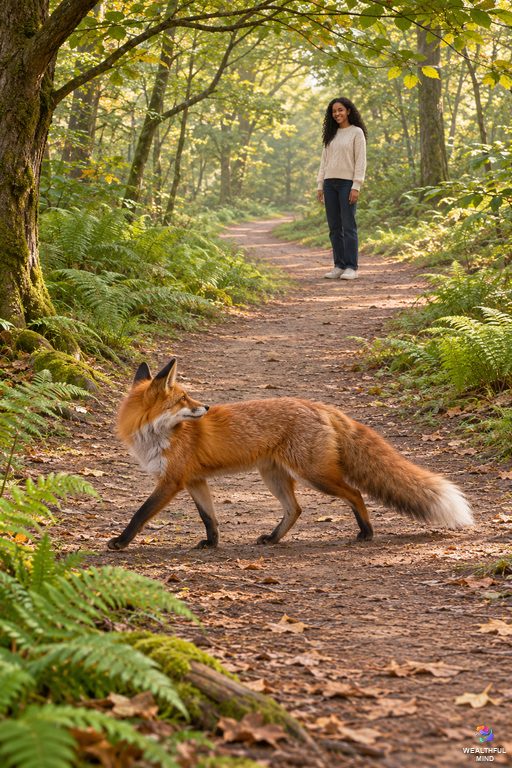
Say a fox trots across the path on your walk home. It stops, looks straight at you and slips under a hedge.
Before you look up a single meaning, do these three things.
- Give it room, and never feed it. The National Park Service says that if an animal reacts to you, you are too close, and if you are close enough for a selfie, you are “definitely too close.” Feeding is the bigger mistake, the National Park Service warns, because animals that learn people mean food can turn aggressive.
- Leave a baby animal where it is. The US Fish and Wildlife Service says a young animal is often seen with no parent around, and that wildlife parents rarely abandon their young. If it has open wounds, or you know for certain the parent is gone, call a local wildlife rehabilitator. Animal Help Now can help you find one.
- Write down what happened. Note the place, the time, what the animal did and what was on your mind. You will read the meaning from that note.
How far is far enough? Many national parks ask you to stay at least 25 yards from most wildlife, according to the National Park Service. For predators like bears and wolves, it is 100 yards (other places set their own rules).
Please do not carry a “rescued” baby home either. The US Fish and Wildlife Service says an animal taken from the wild has a 90% chance of not surviving.
The CDC gives the same advice for its own reason, which is rabies. Keep your distance from wildlife, and never approach an animal that looks hurt, sick or dead. Be extra careful with a night animal such as a bat or a raccoon out in daylight, and call animal control instead.
What Does It Mean When an Animal Crosses Your Path?

Most people, and probably you too, read a crossing as a message about the road ahead. It can be a nudge to pause or to change direction. Or it can point to a quality the animal is known for, one you are being asked to borrow for a while.
What the animal did changes the reading. So look back at your note.
- It stopped and looked at you. Many people take this as the most personal kind of sign, a quiet “yes, this one is for you.”
- It crossed in front of you and kept going. This is often read as a cue to move on from something.
- It walked beside you or just ahead of you. People tend to read this as company, or as being shown the way.
- It turned up while you were worrying about something. Then the worry is usually where the meaning sits.
- It ran from you. Most readers take nothing bad from this. Running from people is what a healthy wild animal should do.
But you do not need a sign every time. Plenty of crossings are just an animal on its way to food, water or its den.
Noticing it is enough.
○ When the Same Animal Keeps Showing Up
One sighting is a moment. The same animal again and again, over weeks, is when most people start to feel something is being said.
A common belief, repeated on list sites such as YourTango, is that an animal you cross paths with often may be your spirit animal. We could not trace that rule to any tradition. But you can still treat the repeats as a reason to pay attention.
There is often a plain reason too. Many wild animals keep to the same patch of ground, so the rabbit on your lawn this week may be the same rabbit next week. That does not make it mean less (a neighbor you see every day still matters).
Write each sighting in a notebook or your phone, with the date. Now and then, sit outdoors with your phone put away and just watch what moves. Many people treat this as a kind of meditation.
After a few weeks, read your notes back. You may find the animal tends to arrive on the same kind of day. That kind of day will tell you more than any meaning chart.
It also helps to read a little about the real animal, its season, its food and its habits. The true facts often explain why people gave it a meaning in the first place.
○ An Animal That Scares You
People often ask whether an animal they are afraid of can be “theirs.” Many people who work with animal signs say yes. They read a feared animal as pointing at something they have been avoiding.
You do not have to accept that. And you never have to go near the animal to learn from it.
Spirit Animal, Animal Guide or Totem: What the Words Mean
These three words get mixed up all the time. They do not mean the same thing.
Merriam-Webster’s first meaning of “spirit animal” is a supernatural being “of many distinct Indigenous cultures and traditions” that takes the form of an animal. Its second meaning is the slang one: something or someone you enjoy and identify with, such as a celebrity. Merriam-Webster adds that this slang use is often seen as “an offensive appropriation and trivialization” of Indigenous American traditions.
So when you are not sure, we suggest saying “animal guide.” It says what most readers mean, an animal that seems to keep you company or teach you something. And it does not borrow a sacred word from a people you may not belong to.
Do you want to know whether you have one, and how to find it without a quiz? What a spirit animal is is our page for that question.
You will not find a quiz here.
A few questions about your personality cannot stand in for teachings that belong to particular nations.
○ Where the Word Totem Comes From
A totem, in Merriam-Webster’s words, is an object “such as an animal or plant” that serves as the emblem of a family or clan. It is often a reminder of the clan’s ancestry. Britannica traces the word to the Ojibwa word ototeman, meaning “one’s brother-sister kin.”
So a totem began as a sign of who your relatives are, not a personal guardian. Britannica says the guardian idea came from a British merchant and translator who brought the word into English in 1791. He gave it “a false meaning,” believing it named a person’s guardian spirit in animal form.
Britannica credits the first accurate report to Peter Jones, an Ojibwa Methodist missionary. Jones wrote that the Great Spirit gave totems to the Ojibwa clans so members would never forget they were related.
We think that is worth remembering the next time a website offers to tell you your “totem animal.”
Animal Teachings Belong to Specific Nations
If you have wondered whether the whole spirit animal idea is borrowed, it is a fair question. The Smithsonian’s National Museum of the American Indian says Indigenous peoples’ ties to animals come from tens of thousands of years of connection to their environments. The non-Native idea of “spirit animals,” the Smithsonian museum adds, has only recently grown popular.
Many tribal communities have clan and kinship systems tied to animals, the Smithsonian museum explains. These are specific to each community and can differ widely. Renee Gokey, who works at the museum, told Discover magazine the same: clan and kinship systems are diverse across Native American tribes.
You can see how much they differ with a single bird. IFAW notes that the Cree hear an owl’s cry as a spiritual call, while the Apache link dreams of owls with omens of death. The Cherokee think of owls as advisers, and the Pawnee have linked them with protection.
So “Native Americans believe the owl means…” can never be a true sentence.
Practice differs from one nation to the next. William Housty works for the Heiltsuk Nation’s resource management department in British Columbia. He told Discover that his community and the tribes around it typically identify with an animal, often shown on a crest.
And the slang use is something else again. Laura Redish of Native Languages of the Americas told Discover that the pop culture “my spirit animal is a cat” joke has no relation to Native American culture at all.
If a teaching from one nation speaks to you, learn it from that nation’s own people. Its museums, websites and writers are the place to start. The Smithsonian museum also asks people not to copy imagery from totem poles, pictographs and similar art, so you will not see any on this page.
Animal Symbolism Around the World
Animal symbolism is far older than any spirit animal list. The same creature can carry quite different meanings two countries apart. The animal welfare charity IFAW has a guide to symbolic animals that names whose story each meaning comes from, so it is the one we use below.
The fox plays the clever trickster in stories from Bulgaria, Russia, Scotland, Finland, China, Japan, Korea and Vietnam, and among the Dogon people of West Africa and Indigenous peoples of North America.
No wonder “sly as a fox” makes sense almost everywhere.
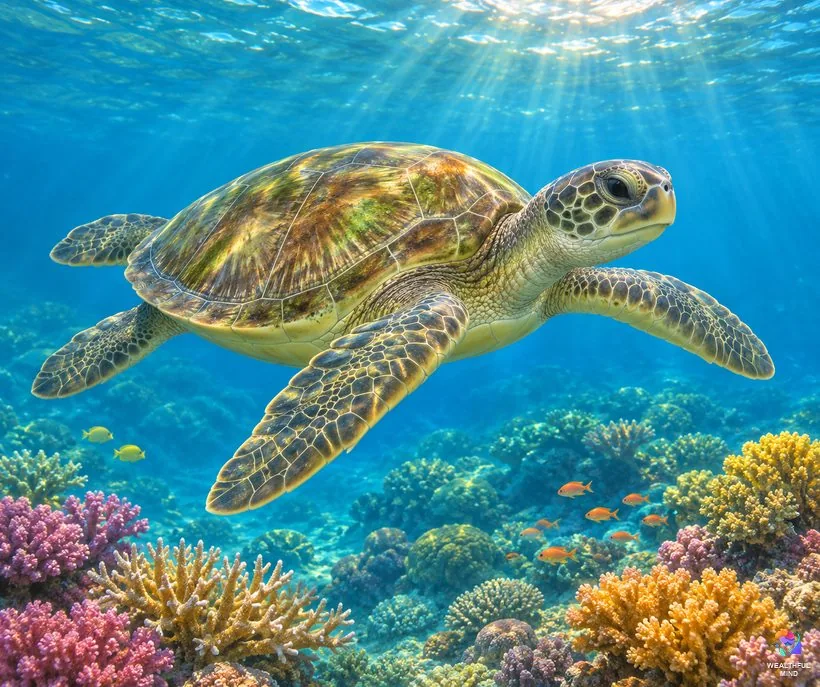
Turtles carry whole worlds. In Lenape and Iroquois stories the Earth is built on the back of a giant sea turtle, and in Hindu lore the world is held up by elephants who stand on a turtle’s back.
The big cats stand for strength. The lion has long been linked to power, courage and bravery. In Korean culture tigers are symbols of superiority, and in many Chinese stories they act as kind protectors.
If an animal’s meaning matters to you, find out whose story it is. A meaning with a people and a place behind it is worth more than a chart that names no one.
Animals With Their Own Pages
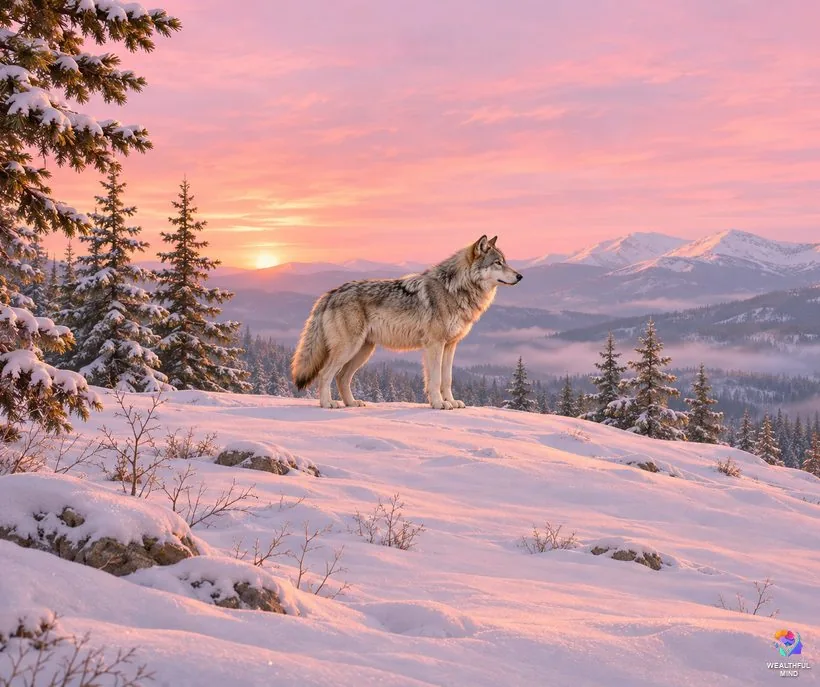
Each of these nine animals has a full page. You will find the beliefs, the real animal’s habits and what to do when you meet one.
○ Fox
A fox seen in daylight often surprises people. You might take it as a cue to think on your feet, or to look twice at a story someone is telling you. Our page on fox spiritual meaning covers a fox by day or at night, one crossing your path and one that keeps visiting your yard.
○ Rabbit
Rabbits and bunnies are tied to luck and fresh starts. That is why some people say “rabbit rabbit” when they wake up on the first day of the month. Our rabbit spiritual meaning page explains that little wish, white and black rabbits, and what to do about a nest of babies in your lawn.
○ Deer
Deer are often read as gentleness and a fresh start, and you may feel that calm the moment one lifts its head. The deer spiritual meaning page looks at a deer staring at you, a white deer, a fawn alone and a deer on the road.
○ Frog
A frog starts life in the water as a tadpole and ends up hopping on land. So if one hops into your day, you might read it as change, or a fresh, clean start. You will find a frog in your house, croaking at night and the toad question on our frog spiritual meaning page.
○ Turtle
Slow, long lived and carrying its home on its back, a turtle can remind you to be patient and to protect what is yours. Our turtle spiritual meaning page covers tortoises, snapping turtles and how to help a turtle across the road safely.
○ Coyote
People often take a coyote for a wolf. But the National Park Service says a coyote is about a third of a wolf’s size, with a slighter build. Our coyote spiritual meaning page covers a coyote by day, a lone one crossing your path and one howling at night.
○ Black Cat
A black cat crossing your path is one of the best known animal superstitions. Plenty of people read the same cat as lucky. The black cat spiritual meaning page traces where the superstition came from, and what to do if a black cat keeps visiting your home.
○ Bat
Bats come out at dusk, and you may see them read as endings, rebirth or trusting your instincts in the dark. Is a bat inside your home right now? Open the bat spiritual meaning page first, because its safe first steps come before any meaning.
○ Wolf
Wolves live and hunt in packs, so you will often see them read as loyalty and family. Our wolf spiritual meaning page covers the wolf as a spirit animal, white and black wolves and the lone wolf. It also shows how to tell a wolf from a coyote or a dog.
○ Birds and Insects
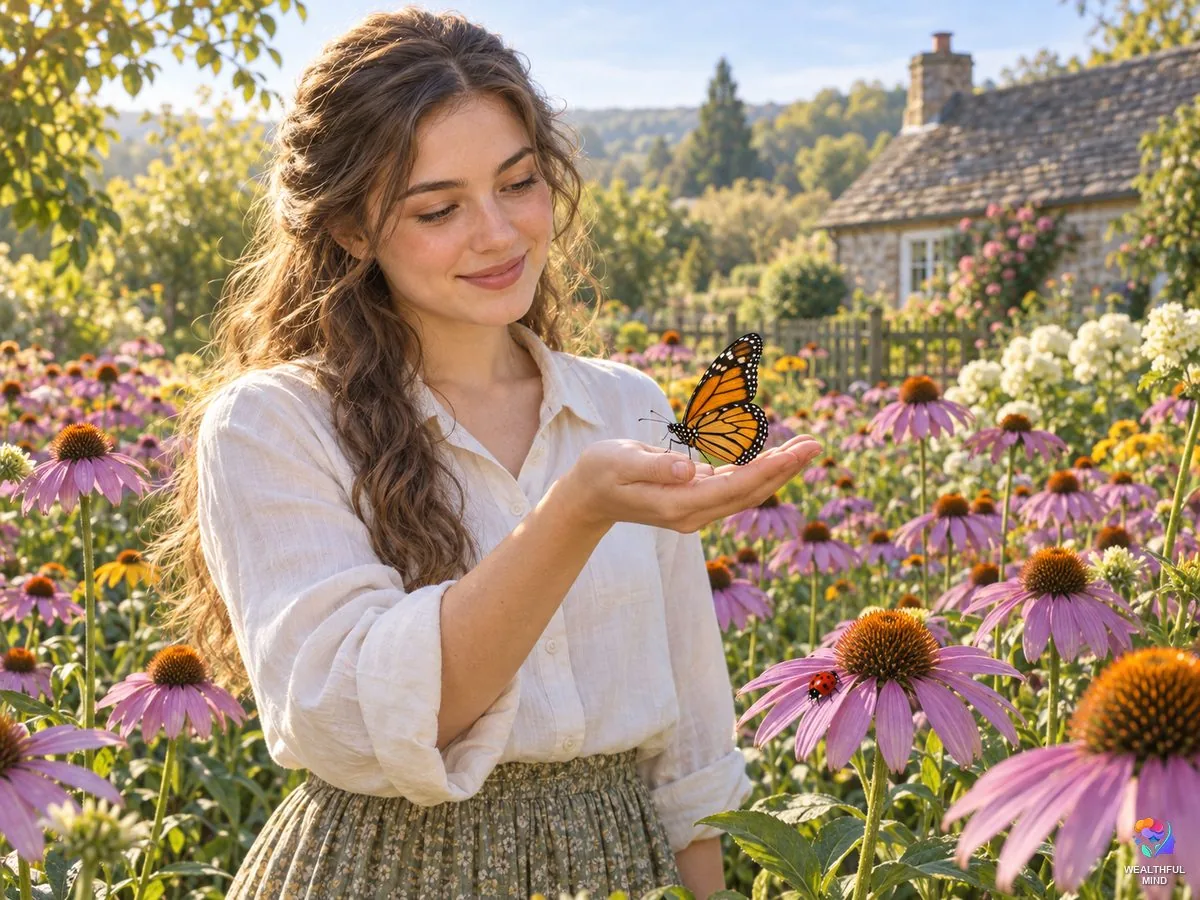
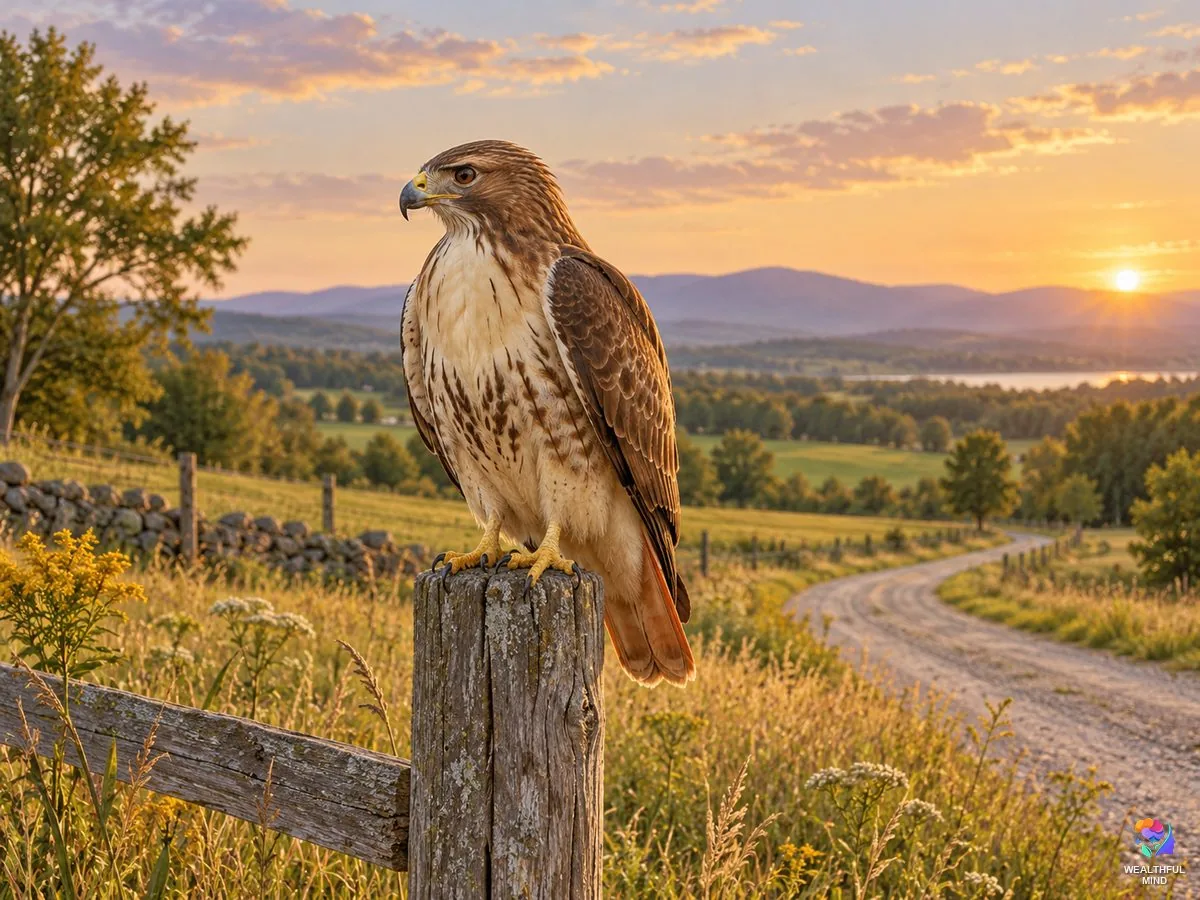
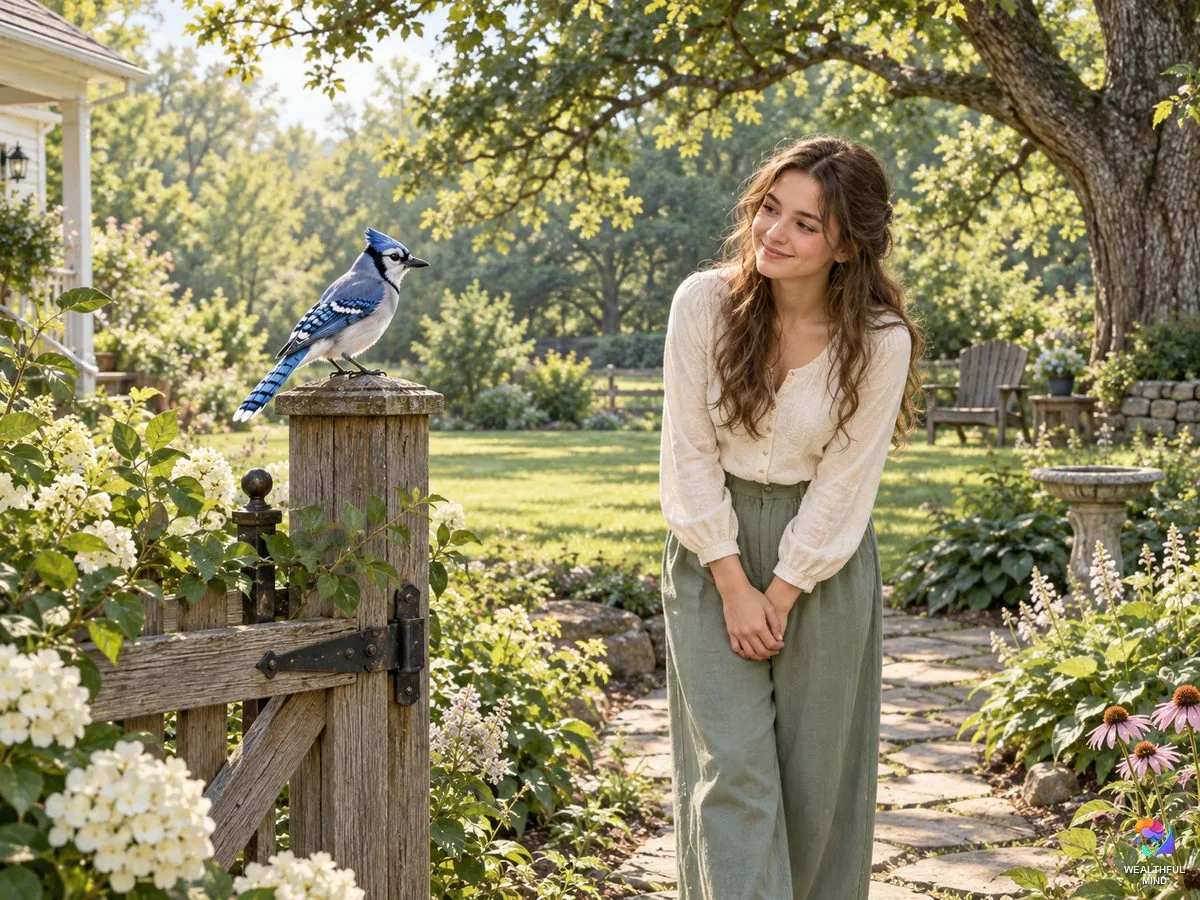
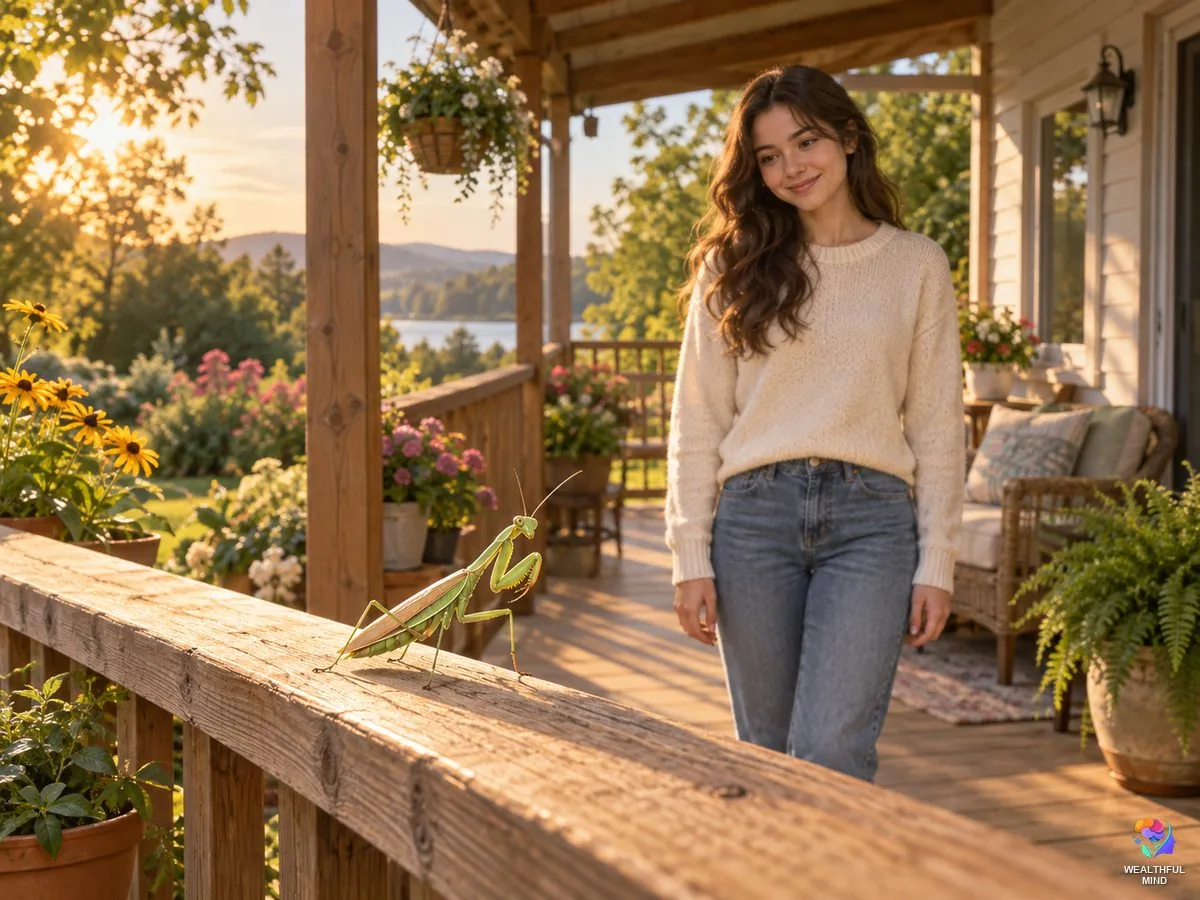
Owls, hawks, crows, cardinals and the rest of your feathered visitors have their own guide, bird spiritual meaning. Butterflies, bees, ladybugs and even spiders are in insect spiritual meaning.
More Animals and What People Read Into Them
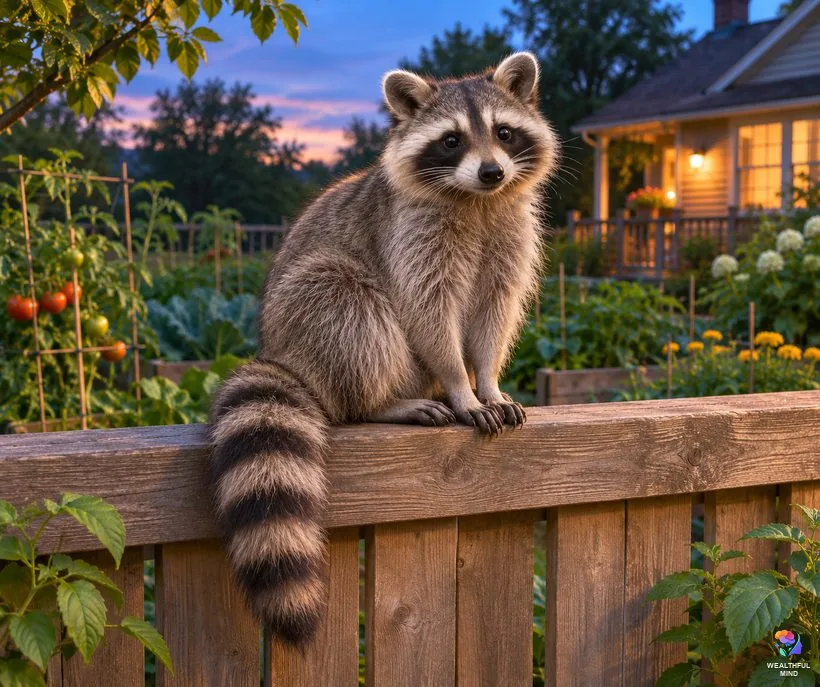
These animals do not have full pages yet. Here is the short version of what each one is said to mean, told as belief, with a plain fact about the real animal.
○ Elephant
Asian elephants have been thought to bring good luck and wealth in India. In China the word for elephant sounds like the word for “auspicious.” Many people today also read an elephant as memory and steady strength.
○ Possum
The opossum is known for “playing possum,” going limp as if dead when it is threatened. So a possum is often read as a cue to rest, or to step back from a fight you do not need.
○ Squirrel
Many squirrels spend the autumn hiding food to dig up later. That is why a squirrel is read as a nudge for you to prepare and save. It is also a little reminder to play while you do it.
○ Cat
A cat is usually read as independence, curiosity and quiet protection of the home. Black cats have a page of their own, listed above.
○ Lizard
Lizards warm themselves in the sun. Many kinds can drop their tail to escape and grow a new one. You can read one as renewal, letting go of what holds you back, or a reminder to warm up before you act.
○ Raccoon
With its masked face and clever front paws, the raccoon is read as resourcefulness and curiosity. Some take it as a hint to look past a disguise.
Admire one from a distance, as in the first step at the top of this page.
○ Horse
Horses are tied to freedom, strength and moving forward with confidence. A horse in a field usually belongs to someone, so enjoy it from the fence.
○ Skunk
A skunk usually gives a warning before it sprays. So many people read it as confidence and calm boundaries: you do not need to fight when you can make yourself clear.
Give it plenty of room.
○ Bear
In Finnish, Siberian and Korean cultures bears are seen as symbols of ancestors. You may also read a bear as courage and strength.
And because many bears rest through the winter, a bear can be your permission to slow down.
○ Snake
A snake seen while you are awake is most often read as change and renewal, because snakes shed their whole skin as they grow. Give it room to move on, and do not try to pick it up.
Dreaming of snakes is a separate question, and our snake dream meaning page covers it in depth.
A Dead Animal on the Road
A dead animal on the road can stay with you all day. Many people read it as an ending, a sign that something in their life has run its course. Others take it as a prompt to slow down.
We do not think it is an omen aimed at you. Most often it is a sad fact of roads, and you are still free to pause for the animal.
Do not touch it.
The CDC asks people never to approach animals that appear dead, and to call animal control instead. If a large animal is blocking the road, your local roads office can also help.
Animals in Your Dreams
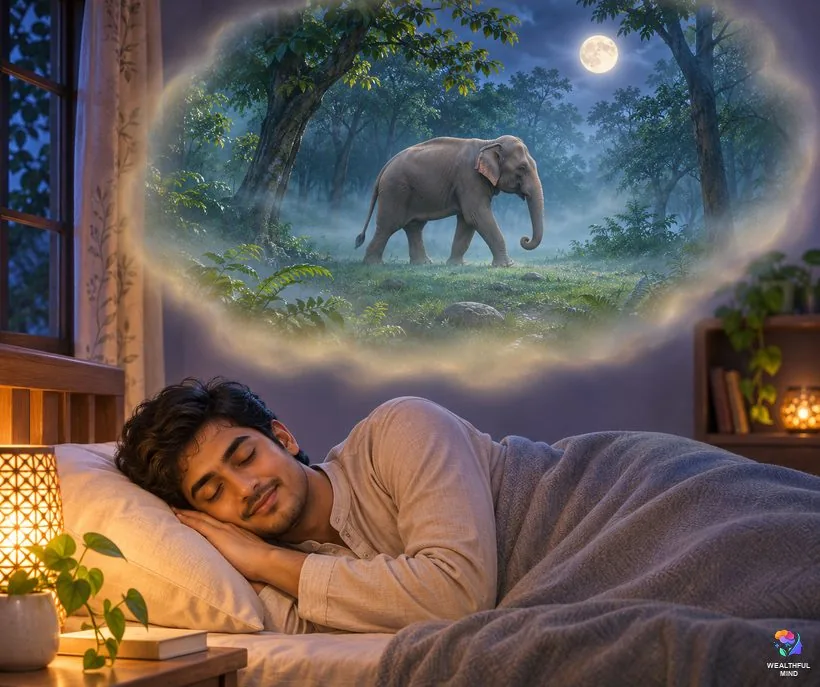
Many people believe an animal in a dream is a messenger, or a part of you in animal form. How the dream felt usually tells you more than which animal it was. A calm animal is often read as comfort, and one that chases you as something you have been running from.
Is it good to see animals in your dreams? On its own it is neither good nor bad. You get to decide what the picture says.
The wellness site mindbodygreen suggests writing down every animal you see in a dream the next morning, since dreams are closely tied to waking life. If bad dreams keep breaking your sleep, though, tell a doctor.
Whatever crossed your path today, awake or asleep, you stopped and noticed it. That is where every animal meaning starts.
Enjoy the next one when it comes.
Frequently Asked Questions on Animal Spiritual Meaning
How do you tell your spirit animal?
Most people who believe in one say you notice it rather than pick it from a quiz. The same animal keeps turning up over weeks, appears in your dreams or simply pulls at you. Keep a short record of each sighting and what was on your mind, learn about the real animal, and if the teaching you are drawn to belongs to a particular Indigenous nation, learn it from that nation’s own people. If you are not sure the words are yours to use, say “animal guide” instead.
What animal symbolizes spirituality?
No single animal does for everyone. The owl is one of the oldest examples of a wise animal: IFAW, the animal welfare charity, notes it was the symbol of Athena, the Greek goddess of wisdom. Many people today also point to the butterfly for the soul and the deer for gentleness and new beginnings, but the animal that means most to you is usually the one that keeps finding you.
What does it mean when an animal crosses your path?
Many people read it as a message about the road ahead, such as a pause, a change of direction or a quality the animal is known for. What the animal did, and what you were thinking about at that moment, shape the meaning. First, though, give it room and never feed it, as the National Park Service advises, and leave a baby animal where you found it.
Is it offensive to say spirit animal?
It can be. Merriam-Webster notes that the slang use, such as calling a celebrity your spirit animal, is often considered an offensive appropriation of Indigenous American traditions. The Smithsonian’s National Museum of the American Indian also says the popular idea is separate from Indigenous peoples’ relationships with animals, which are specific to each community. If you are unsure, “animal guide” says the same thing without borrowing.
What does dreaming about animals mean spiritually?
Many people believe an animal in a dream is a messenger or a part of you in animal form. How the dream felt usually matters more than which animal it was: a calm animal is often read as comfort, and one that chases you as something you are avoiding. Write the dream down the next morning, and if bad dreams keep breaking your sleep, tell a doctor.
Can your spirit animal be one you are afraid of?
Many people who work with animal signs say yes, and read a feared animal as pointing to something they have been avoiding. You do not have to agree, and you never need to get close to the animal to think about what it means to you.